The Ultimate Guide to Roof Installation for Homeowners
Introduction
Installing a new roof is one of the most important investments you can make in your home. It is more than just a protective covering; your roof plays a critical role in insulation, energy efficiency, safety, and property value. For most homeowners, however, the process of roof installation remains mysterious. What actually happens during installation? How long does it take? What materials should you choose? And most importantly, how can you ensure your roof will last decades rather than years? This comprehensive guide explores every step of the journey, from planning to final inspection, giving you the knowledge to make informed decisions and get the most from your investment.
Why Roof Installation Matters
A strong, well-installed roof provides long-term peace of mind. Beyond keeping the rain and snow out, it also shields your home from temperature extremes, UV radiation, and structural damage. Poorly installed roofs, on the other hand, are among the leading causes of household issues such as water intrusion, mold growth, sagging ceilings, and inflated energy bills. By understanding the importance of quality installation, you can see why roof work is not just another repair — it is a crucial element of homeownership.
- Protects your home from weather-related damage
- Reduces heating and cooling costs
- Improves curb appeal and property value
- Provides structural stability for the entire home
- Prevents expensive repairs from leaks or moisture
“The roof is your home’s first line of defense — a weak roof means a vulnerable home.”
Step-by-Step Roof Installation Process
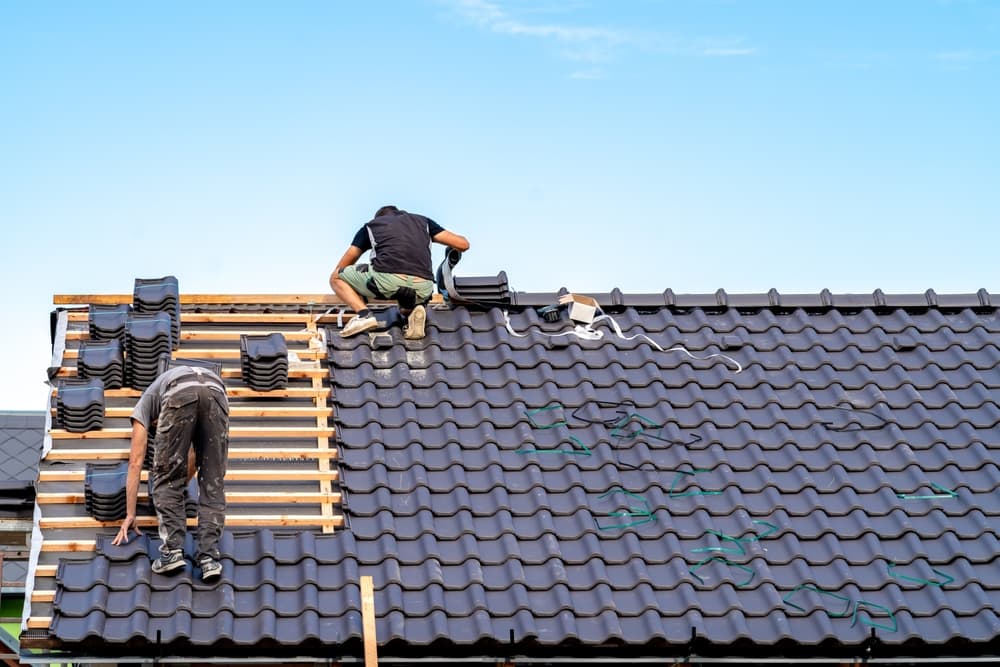
Most homeowners never see what goes into a roof installation because the work happens above eye level. Yet understanding the steps helps you know what to expect and why each stage matters. The process is meticulous and involves multiple components that together form a durable, weather-resistant system.
- Initial inspection and removal of old roofing materials
- Repairing or reinforcing the roof deck
- Installing an underlayment to protect against moisture
- Applying flashing around chimneys, vents, and valleys
- Laying down shingles, tiles, or metal panels
- Sealing and securing ridge caps and edges
- Final cleanup and professional inspection
“Every layer of a roof has a purpose. Skipping one compromises the entire system.”
Choosing the Right Roofing Material
Roof materials are not one-size-fits-all. The climate where you live, the slope of your roof, and your budget all influence the right choice. Asphalt shingles are affordable and widely used, while metal roofs are durable and energy-efficient. Clay and concrete tiles offer beauty and longevity, but require a strong structure to support their weight. Slate remains the gold standard for elegance and lifespan, but comes at a premium price. Your choice should balance appearance, performance, and cost — and remember, a more durable roof may save you money in the long run.
| Material | Average Lifespan | Pros | Cons |
| Asphalt Shingles | 15–30 years | Affordable, easy installation, versatile styles | Shorter lifespan, prone to storm damage |
| Metal Roofing | 40–70 years | Durable, energy efficient, low maintenance | Higher upfront investment |
| Clay & Concrete Tiles | 50–100 years | Classic look, excellent longevity | Heavy, requires reinforced framing |
| Slate | 75–150 years | Luxury appearance, extremely durable | Expensive, requires skilled installation |
| Wood Shakes | 20–40 years | Natural, rustic appeal | High maintenance, fire risk without treatment |
Common Mistakes to Avoid During Roof Installation
Even with high-quality materials, mistakes during installation can cut a roof’s lifespan in half. Homeowners should be aware of these pitfalls so they can ask the right questions and identify red flags.
- Using low-quality or mismatched materials
- Skipping proper underlayment and ventilation
- Poor flashing installation around vulnerable areas
- Inadequate sealing of shingles or tiles
- Rushed installation without thorough inspection
“A roof installed cheaply will cost you more in the long run than a roof installed correctly.”
How Much Does Roof Installation Cost?
Roof installation is a significant financial commitment, and costs vary depending on materials, home size, labor, and region. While the initial expense can feel daunting, it’s essential to consider the return on investment. A quality roof not only protects your home but also boosts resale value and reduces long-term energy bills. Many homeowners also benefit from warranties that protect their investment for decades.
| Roof Type | Average Cost (USD) | Notes |
| Asphalt Shingles | $5,000–$10,000 | Most common choice for residential homes |
| Metal Roofing | $10,000–$18,000 | Higher cost, but lower long-term maintenance |
| Clay/Concrete Tiles | $15,000–$25,000 | Durable but requires reinforced structure |
| Slate | $20,000–$40,000 | Luxury material, extremely long-lasting |
Maintenance Tips After a New Roof Installation
Once your roof is installed, your responsibility as a homeowner doesn’t end. Consistent care will extend its life and ensure it performs at its best. Simple seasonal habits and periodic professional inspections can prevent minor issues from turning into major repairs.
- Inspect your roof visually twice a year (spring and fall)
- Keep gutters and downspouts clean
- Look for damaged or missing shingles after storms
- Trim overhanging trees to prevent damage
- Check attic ventilation and insulation regularly
Conclusion
A new roof is more than just another upgrade — it is a long-term investment in your home’s safety, comfort, and value. By learning about the materials, process, costs, and maintenance, you can make informed decisions that will protect your home for decades. With proper planning and professional installation, your roof will not only shield you from the elements but also enhance your home’s beauty and efficiency for years to come.
“A roof isn’t just overhead — it’s peace of mind above your family.”