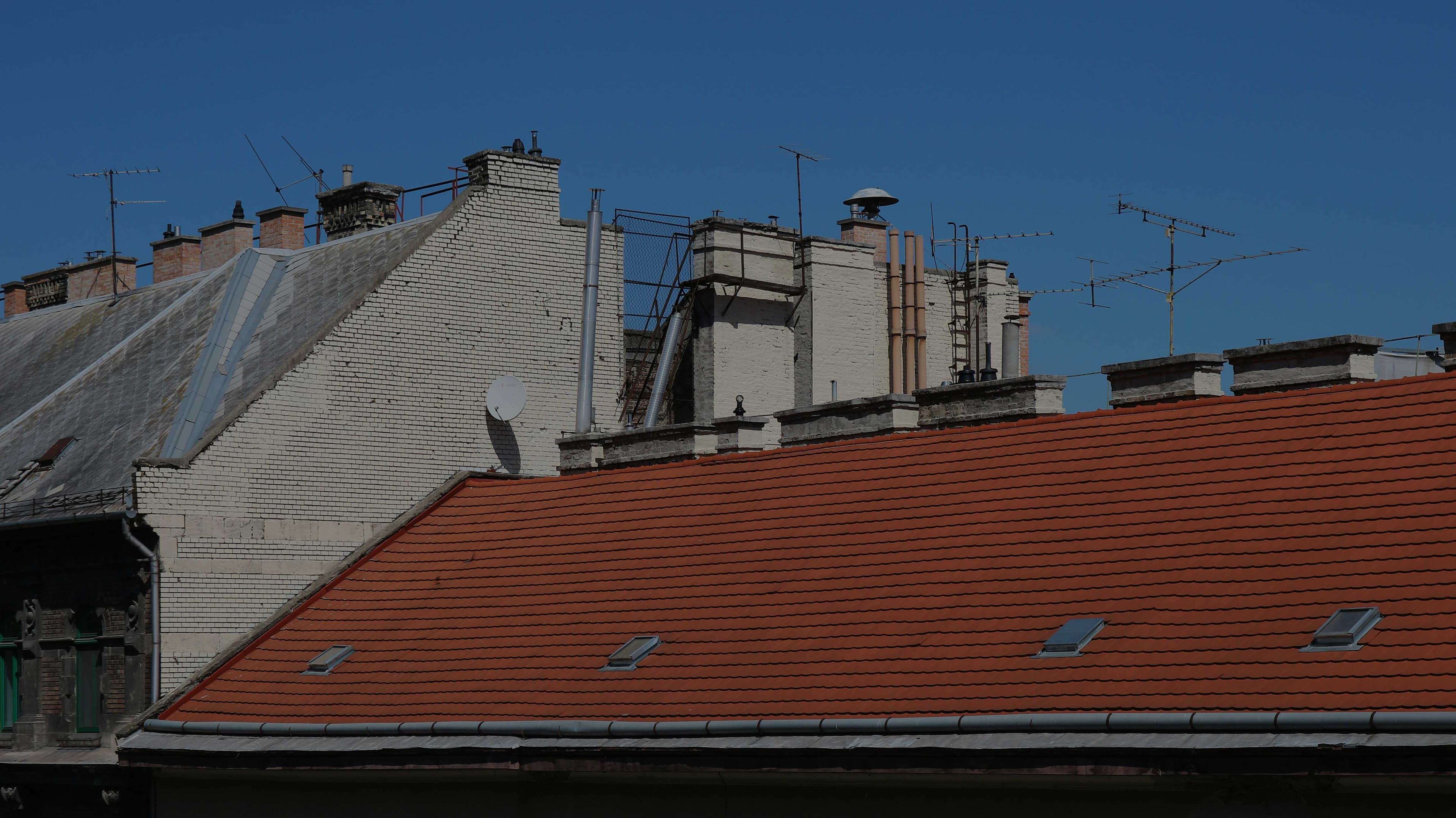
The Science of Roof Pitch: How Slope Influences Performance, Style, and Cost
By Total Care Roofing Tue Dec 02 20257 minutes

Understanding Roof Pitch: What Is It and Why Does It Matter?
Roof pitch, also known as roof slope, refers to the angle or steepness of your roof. This measurement is more than just an architectural choice—it directly impacts how your roof handles weather, what materials you can use, and even the overall cost of your roofing project. Homeowners and builders alike should grasp the fundamentals of roof pitch to ensure their roofing system performs optimally for their climate and aesthetic goals.How Roof Pitch Affects Drainage and Longevity
The angle of your roof is a critical factor in how effectively it sheds water and snow. A steeper pitch allows rain and debris to slide off more efficiently, reducing the risk of leaks and structural damage over time. Conversely, a low-slope or flat roof may require advanced waterproofing techniques to prevent pooling and premature deterioration.“A properly calculated roof pitch is the foundation of a weather-resistant and long-lasting roofing system.”
Material Compatibility: Matching Roof Pitch with Roofing Materials
Not every roofing material is suitable for every pitch. Some materials perform best on steep slopes, while others are engineered for low-slope or flat applications. Choosing the wrong material for your roof's pitch can lead to costly repairs and reduced lifespan.- Asphalt shingles: Best for pitches above 4:12
- Metal panels: Versatile, suitable for pitches as low as 2:12
- Clay and concrete tiles: Require a minimum pitch, typically above 4:12
- EPDM and TPO membranes: Designed for flat and low-slope roofs
- Wood shakes: Perform optimally on steeper pitches for proper drainage
Architectural Styles and the Role of Roof Pitch
Roof pitch plays a significant role in defining the character and curb appeal of your home. From the dramatic slopes of Victorian and Gothic designs to the subtle lines of modernist architecture, the angle of your roof is a key element in your home's visual identity. Selecting the right pitch can enhance your property's aesthetic and even influence its market value.Cost Implications: How Roof Pitch Influences Installation and Maintenance
The complexity of working on a steep-slope roof increases labor costs and safety requirements. Conversely, low-slope roofs may require specialized membranes and drainage solutions, which can also add to your expenses. It's essential to factor in both material and labor costs when budgeting for a new roof or a major renovation.| Pitch Type | Material Options | Installation Difficulty | Average Cost Impact |
| Steep-Slope (>6:12) | Shingles, Tiles, Metal | High | Higher labor costs |
| Moderate-Slope (4:12–6:12) | Most materials | Moderate | Standard costs |
| Low-Slope/Flat (<4:12) | Membranes, Metal | Specialized | Higher material costs |
Choosing the Right Roof Pitch: Key Considerations for Homeowners
When selecting the ideal pitch for your roof, consider your regional climate, desired aesthetic, and budget. Consulting with an experienced roofing contractor can help you navigate building codes and ensure your choice meets both functional and stylistic needs. Are you considering a dramatic architectural statement, or is ease of maintenance your top priority?- Climate: Higher pitches excel in snowy or rainy regions
- Aesthetics: Match pitch to your home's architectural style
- Budget: Factor in labor, materials, and long-term maintenance
- Building Codes: Local regulations may dictate minimum or maximum slopes