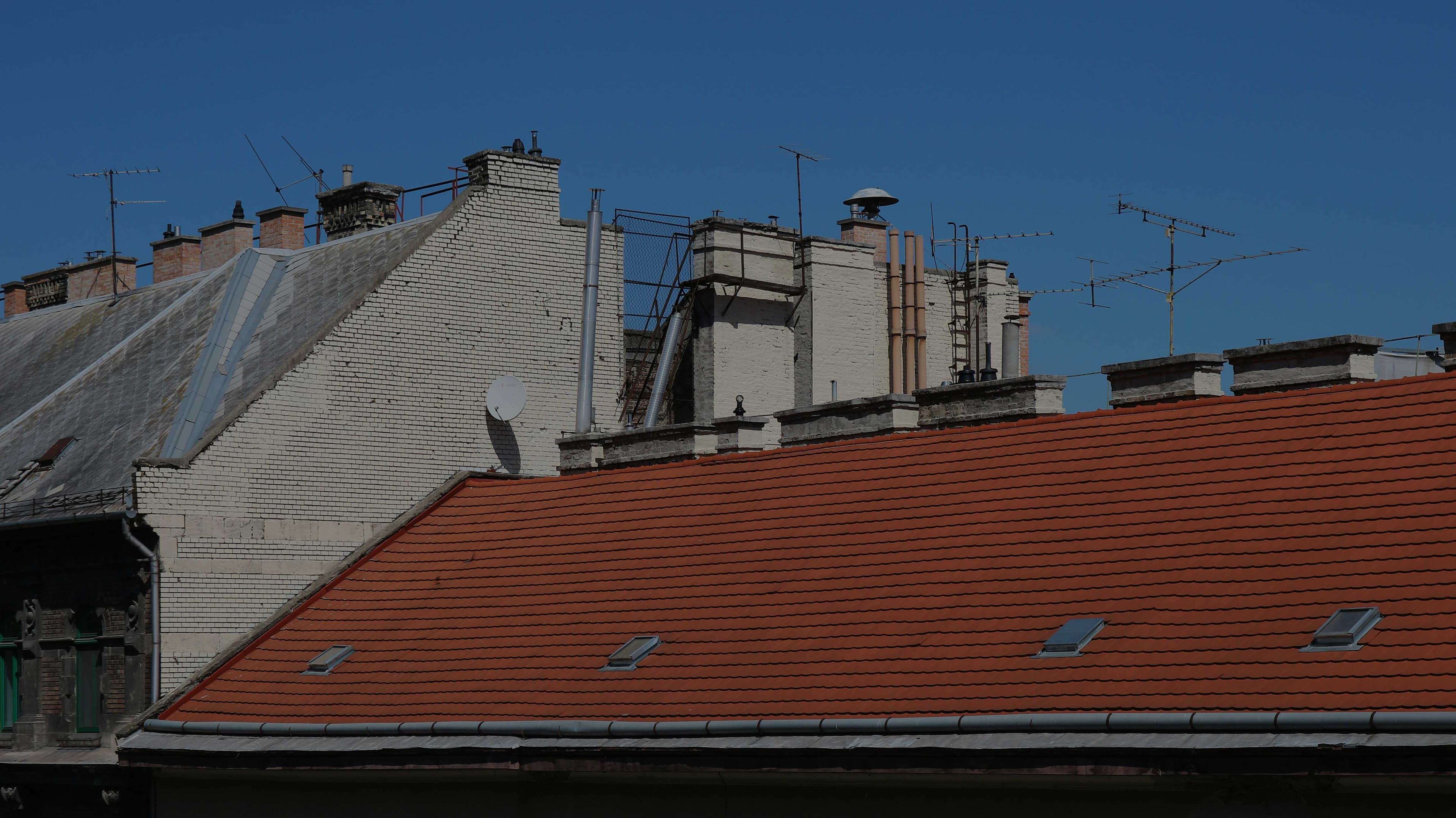
The Benefits of Proper Roof Ventilation
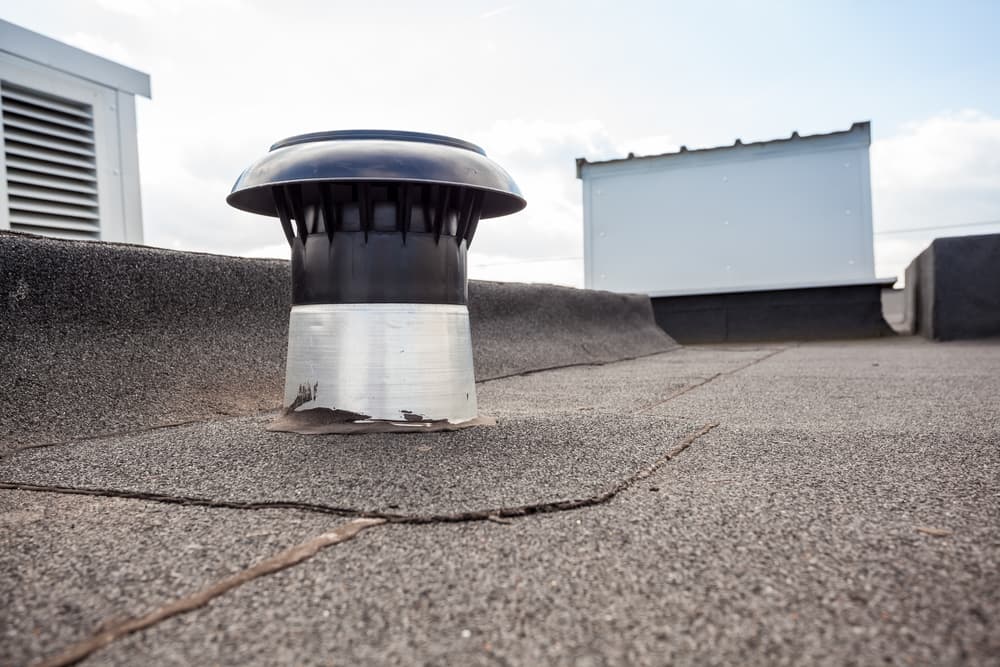
Introduction
Roof ventilation is one of the most overlooked aspects of home construction and maintenance. While homeowners tend to focus on shingles, gutters, or insulation, ventilation plays a critical role in keeping a roof system healthy. Without it, heat and moisture can build up in the attic, leading to higher energy bills, mold growth, and even premature roof failure. In this blog, we’ll explore the benefits of roof ventilation, how it works, and why every homeowner should make it a priority.
“A roof without ventilation is like a house without windows — trapped air causes trouble.”
What Is Roof Ventilation?
Roof ventilation is the system that allows air to flow through your attic space. It balances intake and exhaust vents to keep the air moving, which regulates temperature and controls moisture. Proper ventilation prevents hot, humid air from becoming trapped inside your attic, which can otherwise cause damage over time.
- Intake vents (usually at soffits) allow fresh air to enter
- Exhaust vents (usually at the ridge or gables) allow warm air to exit
- The continuous airflow creates a balanced, healthy attic environment
Key Benefits of Proper Roof Ventilation
When your roof is ventilated correctly, the entire home benefits. Here are the most important advantages homeowners will notice:
- Extends the lifespan of shingles by reducing heat stress
- Prevents moisture buildup that can cause mold and rot
- Improves indoor comfort by reducing hot and cold spots
- Lowers energy bills by helping HVAC systems work efficiently
- Reduces risk of ice dams in colder climates
What Happens Without Proper Ventilation?
Many homeowners don’t realize the damage poor ventilation can cause until it’s too late. Without airflow, heat and moisture become trapped, and over time this leads to significant problems inside and outside the home.
- Shingles curling or cracking prematurely due to heat
- Attic insulation losing effectiveness from trapped moisture
- Mold and mildew growth affecting indoor air quality
- Structural damage to rafters and decking from rot
- Increased utility costs due to poor energy efficiency
“Poor ventilation silently damages your roof from the inside out.”
Types of Roof Ventilation Systems
Roof ventilation isn’t one-size-fits-all. The right system depends on your roof design, attic size, and climate. Here are the most common types:
| Ventilation Type | How It Works | Best For |
| Ridge Vents | Installed at the roof’s peak to let warm air escape | Most modern sloped roofs |
| Soffit Vents | Located under eaves to let fresh air in | Paired with ridge vents for balance |
| Gable Vents | Placed on exterior walls near the roof peak | Older homes with gable roofs |
| Turbine Vents | Wind-powered to pull air from the attic | Areas with consistent breezes |
| Power Vents | Electric fans that exhaust hot air | Large attics or high-heat regions |
Signs Your Roof Ventilation May Be Inadequate
Even if you already have vents, they may not be sufficient for your home’s needs. Here are signs that your attic may not be ventilating properly:
- Excessive heat in the attic during summer
- Ice dams forming along roof edges in winter
- Musty smells indicating mold or mildew
- Peeling paint or warped wood in the attic
- High cooling or heating bills year-round
Conclusion
Proper roof ventilation is one of the simplest yet most important ways to protect your home. It extends the life of your roof, saves money on energy costs, and prevents problems like mold, rot, and ice dams. If you’re unsure about your home’s ventilation, a professional inspection can identify whether your system is balanced and effective. Investing in proper airflow today ensures your roof and home stay healthy for years to come.
“When your attic breathes, your entire home stays healthier.”