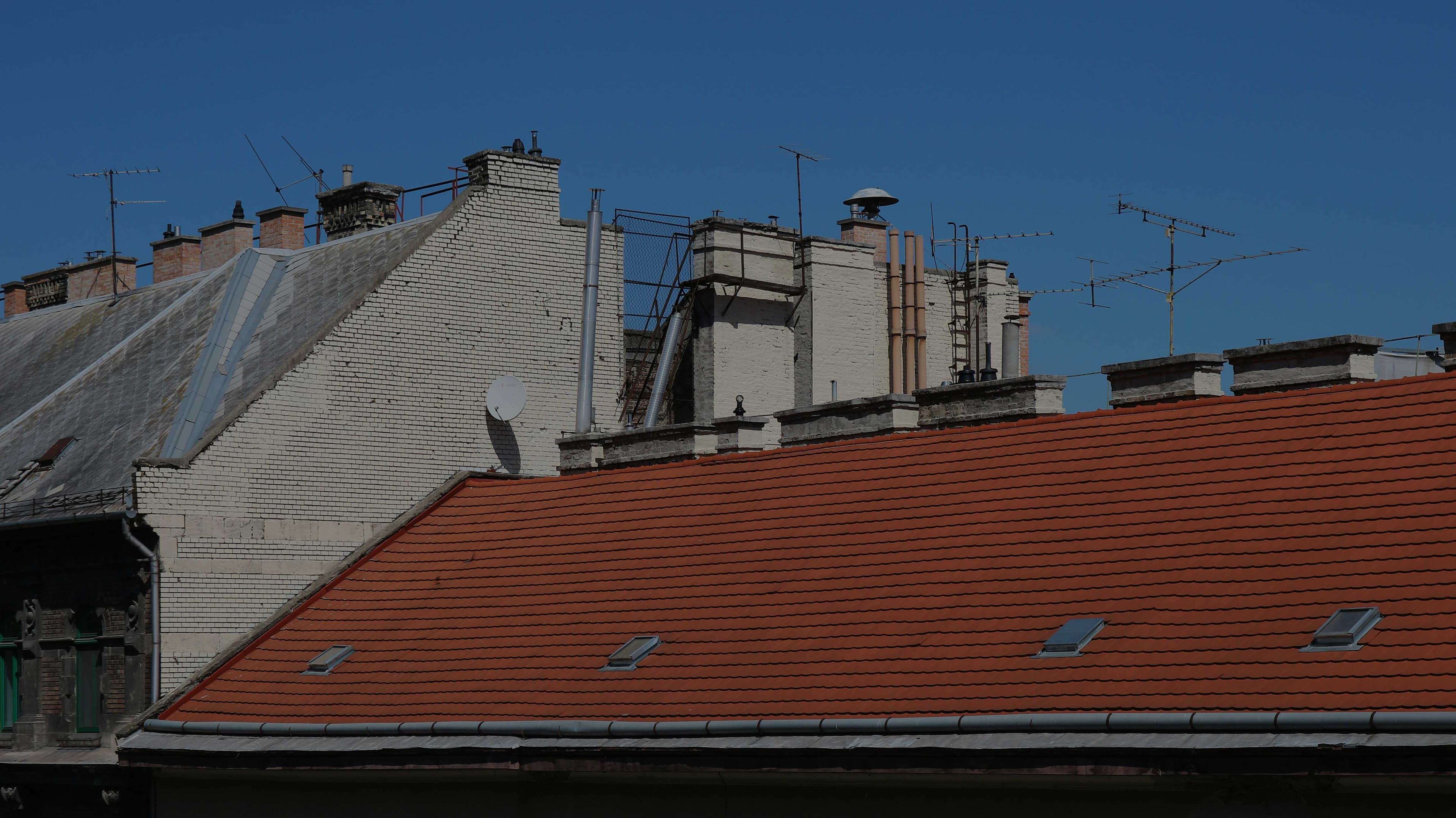
The Art and Science of Chimney Flashing: Preventing Leaks Where Roof Meets Brick
By Total Care Roofing Sun Jan 25 20267 minutes

Why Chimney Flashing Is a Critical Roofing Detail
Chimney flashing serves as a waterproof barrier where your roof meets the chimney, a notorious weak spot prone to leaks and water infiltration. Without proper flashing, rainwater can seep into your attic or living space, causing costly structural damage, mold, and insulation failure. Homeowners often underestimate the importance of this detail until signs of water stains or musty odors emerge.“The intersection between roof and masonry is one of the most vulnerable points on any home—proper flashing is your best defense against chronic leaks.”
Common Types of Chimney Flashing and Their Functions
Understanding the various components and styles of chimney flashing is essential for both new installations and repairs. Each type plays a unique role in creating a watertight seal and accommodating movement between the roof and the chimney structure.- Step Flashing: Individual L-shaped pieces interlaced with roofing shingles to direct water away from the joint.
- Counter Flashing: Installed over step flashing and embedded into mortar joints, providing an extra layer of protection.
- Apron Flashing: Used at the base of the chimney to channel water onto the roof surface.
- Back Pan Flashing: Placed on the uphill side of the chimney, extending under shingles to divert water around the structure.
“Combining step and counter flashing offers a dynamic, layered defense that adapts to both roof movement and chimney settling.”
Comparing Chimney Flashing Materials: Durability and Cost
Material selection is vital for the longevity and effectiveness of chimney flashing. Choices range from budget-friendly galvanized steel to premium copper, each with distinct pros and cons for different climates and roof types.“Copper flashing, though costly, provides unmatched longevity and aesthetic appeal, especially for heritage homes.”
| Material | Durability | Corrosion Resistance | Cost |
| Galvanized Steel | Moderate | Low | $ |
| Aluminum | Good | Moderate | $$ |
| Copper | Excellent | High | $$$$ |
| Lead | Excellent | High | $$$ |
Step-by-Step: Professional Chimney Flashing Installation
Proper installation is crucial to ensure the flashing performs as intended. Even the best materials will fail if details are neglected or shortcuts are taken. Professional roofers follow a meticulous process to guarantee watertight results.- Remove old flashing and inspect decking for damage.
- Install step flashing alongside each shingle course up the chimney.
- Embed counter flashing into mortar joints, overlapping step flashing.
- Seal all joints with high-grade, UV-resistant roofing sealant.
- Test for leaks by simulating rainfall with a garden hose.
“A flawless chimney flashing job is invisible to the eye but invaluable to the homeowner.”
Signs of Flashing Failure and When to Repair or Replace
Detecting early warning signs of flashing failure can prevent extensive water damage and expensive repairs. Regular roof inspections, especially after storms or freeze-thaw cycles, are key to catching issues before they escalate.- Visible rust, cracks, or gaps in flashing material.
- Water stains on ceilings or attic rafters near the chimney.
- Loose or missing mortar around counter flashing.
- Moss, mold, or mildew growth at the roof-chimney intersection.
“Timely flashing repairs are far less costly than remediating structural rot or mold contamination.”
Expert Maintenance Tips for Long-Lasting Chimney Flashing
Routine maintenance extends the life of your chimney flashing and preserves the integrity of your entire roofing system. Homeowners should partner with experienced professionals for annual inspections and prompt repairs.- Clear debris and leaves from around the chimney base.
- Check sealant integrity and reapply as needed.
- Inspect after severe weather for displaced or damaged flashing.
- Schedule professional inspections every 1-2 years.
“Preventive maintenance is the homeowner’s most effective tool for leak-free living.”
Engage With Us: Share Your Chimney Flashing Experiences
Have you encountered chimney leaks or flashing failures in your home? What challenges did you face during repairs or replacements? Share your experiences and tips in the comments to help fellow homeowners make informed decisions.“Every home’s story is unique—your insights could help someone prevent their next roofing headache.”