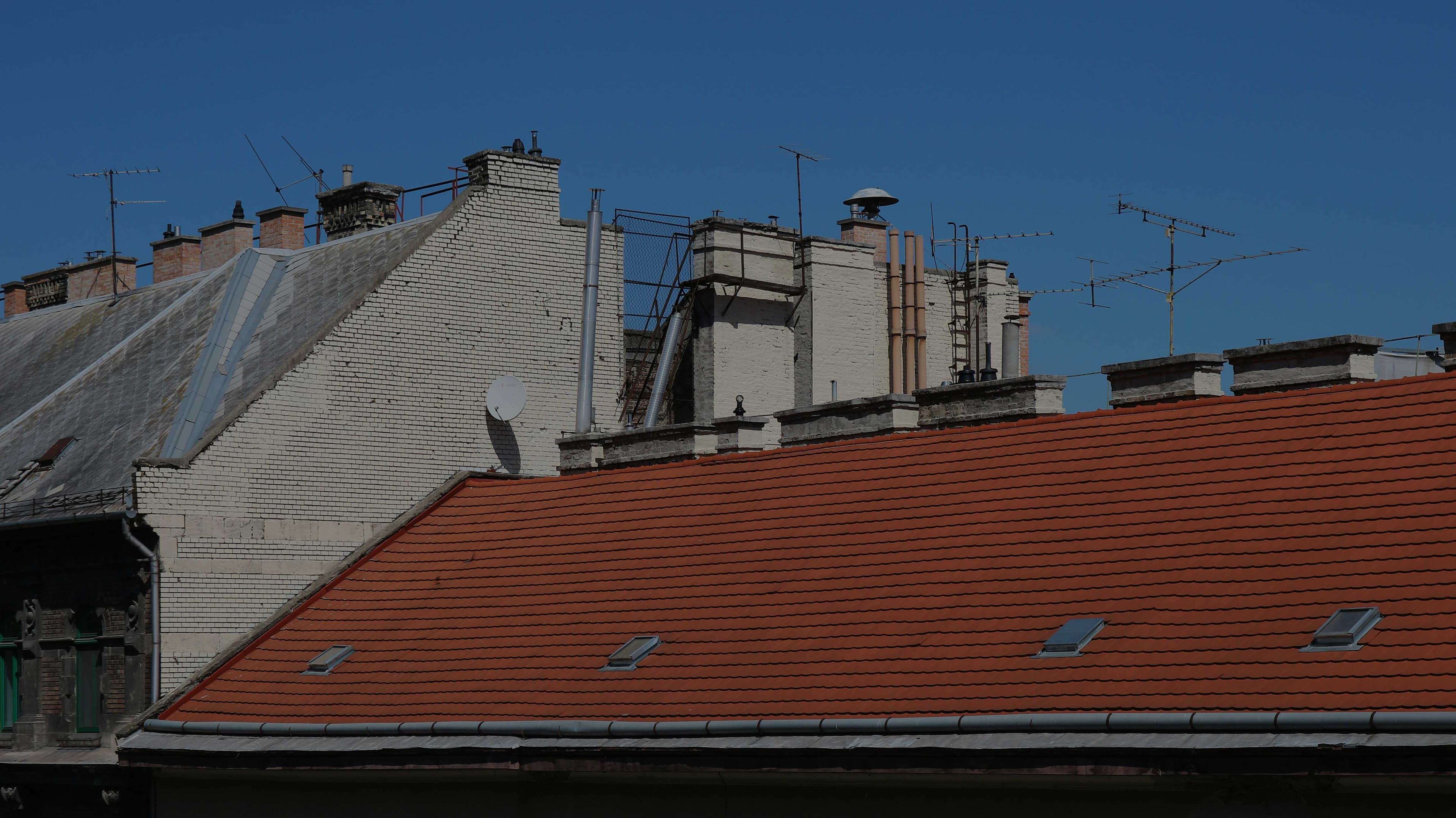
Roof Cricket Installation: The Overlooked Solution for Superior Water Management
By Total Care Roofing Sun Nov 30 20257 minutes

Understanding Roof Crickets: Purpose and Placement
Roof crickets, also known as saddle flashings, are essential architectural features designed to divert water around roof penetrations such as chimneys, skylights, and HVAC units. By channeling water away from vulnerable junctions, crickets significantly reduce the risk of pooling, seepage, and premature roof deterioration.“A well-designed cricket is often the difference between a watertight roof and chronic leaks.”
Common Scenarios Requiring a Roof Cricket
Certain roof configurations are especially prone to water accumulation, making crickets indispensable. Recognizing these situations early can prevent costly repairs and extend the lifespan of your roofing system.- Behind large chimneys where water tends to pool and stagnate
- At the intersection of roof slopes forming valleys or dead spots
- Adjacent to vertical walls or parapets on low-slope roofs
- Where dormers or skylights interrupt the main roof plane
Material Selection: Matching Crickets to Your Roofing System
Choosing the right material for your roof cricket is crucial for both performance and aesthetics. The material must be compatible with the main roofing membrane to avoid galvanic corrosion and ensure seamless integration.| Material | Best For | Key Advantages |
| Galvanized Steel | Asphalt Shingle Roofs | Durability, cost-effective |
| Copper | Slate/Tile Roofs | Longevity, aesthetic appeal |
| PVC/EPDM | Flat or Low-Slope Roofs | Flexibility, waterproofing |
| Aluminum | Metal Roofs | Lightweight, rust-resistant |
Proper Installation Techniques: Avoiding Common Pitfalls
Incorrectly installed crickets can exacerbate drainage issues rather than solve them. Ensuring proper slope, secure flashing integration, and tight seams are critical for effective water diversion.- Maintain a minimum slope of 1:12 for crickets on shingle roofs
- Integrate flashing beneath the main roof covering and over the cricket
- Use continuous membrane on low-slope or flat roof crickets
- Seal all seams and transitions with compatible waterproofing products
Benefits of Roof Crickets: Beyond Leak Prevention
While leak prevention is the most obvious benefit, roof crickets contribute to the overall health and longevity of your roofing system in several ways. They also play a role in reducing maintenance frequency and improving property value.- Minimize standing water and associated freeze-thaw damage
- Reduce risk of mold and structural rot in roof decking
- Enhance the performance of flashing around roof penetrations
- Boost curb appeal by preventing unsightly water stains
Expert Insights: When to Upgrade or Retrofit a Cricket
Retrofitting a cricket can be a smart investment if you notice signs of chronic leaks or water stains near roof penetrations. Early intervention often prevents more extensive structural repairs down the line.“Ignoring water diversion details today could mean a full roof replacement tomorrow.”