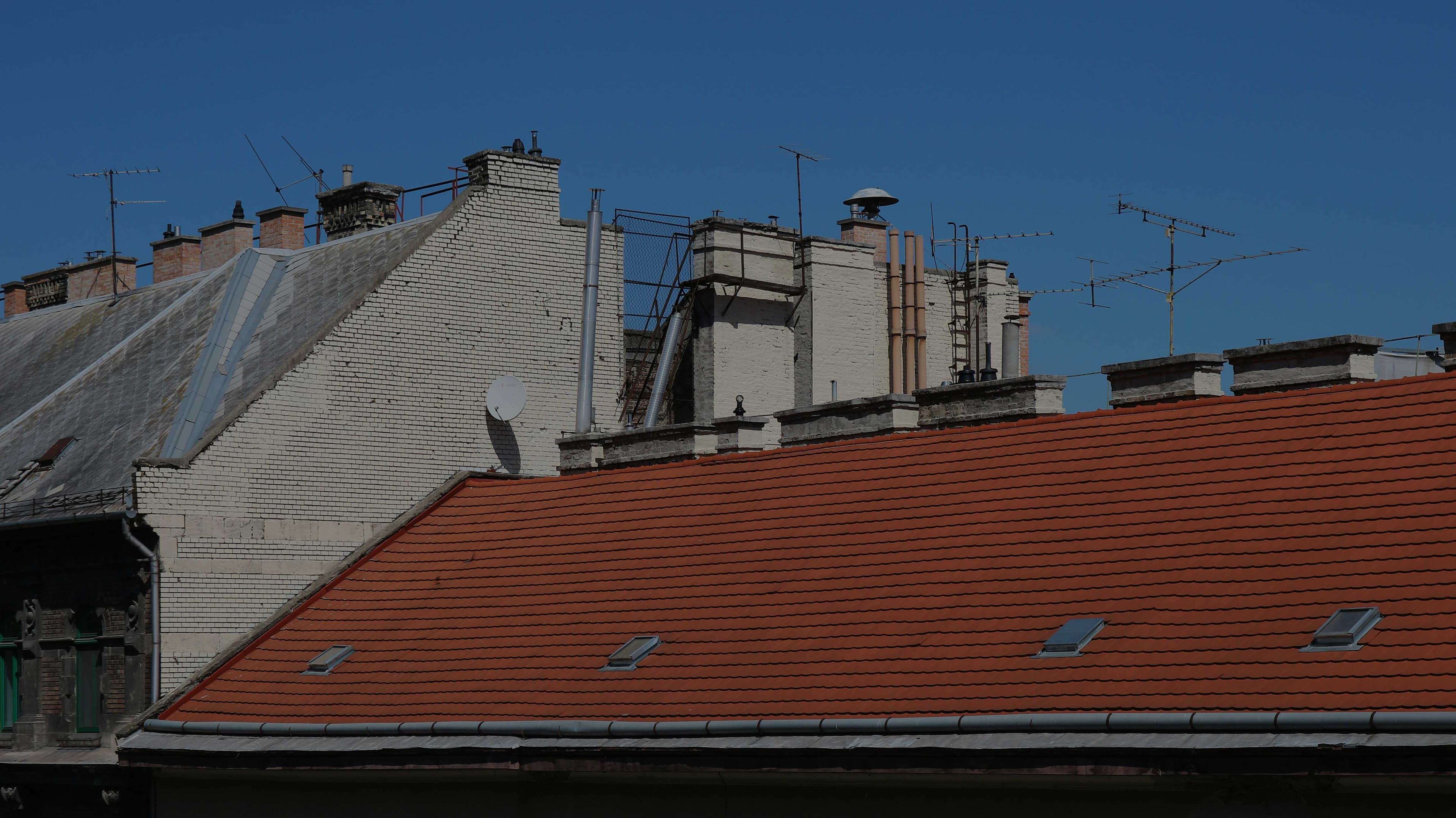
Navigating Roof Pitch Selection: Aesthetic, Structural, and Climate Considerations
By Total Care Roofing Wed Jan 14 20267 minutes

Understanding Roof Pitch: Definition and Importance
Roof pitch, or roof slope, refers to the angle of your roof’s surface. This seemingly simple measurement has a profound impact on your home’s visual appeal, structural performance, and resilience against the elements. Selecting the right pitch is crucial for both aesthetic harmony and functional integrity.Aesthetic Impact: How Roof Pitch Shapes Architectural Style
The slope of your roof plays a defining role in your home’s architectural identity. Certain pitches align with classic or contemporary styles, affecting curb appeal and property value. Homeowners often underestimate how much roof pitch contributes to their house’s overall character.- Steep pitches (greater than 8:12) evoke Gothic, Victorian, and Tudor styles.
- Moderate pitches (4:12 to 7:12) complement Colonial, Craftsman, and Ranch designs.
- Low slopes (2:12 to 3:12) are hallmarks of Mid-century Modern and Prairie-style homes.
Structural and Material Considerations for Different Roof Pitches
Not all roofing materials are suitable for every pitch. The slope affects water runoff, load distribution, and the longevity of the roofing system. Failing to match the right materials and structural reinforcements to your chosen pitch can lead to costly repairs.- Asphalt shingles perform best on slopes above 4:12.
- Metal roofing excels on both low and steep pitches due to its interlocking panels.
- Clay and concrete tiles require at least a 4:12 pitch for effective drainage.
- Flat and low-slope roofs often need membrane systems like TPO or EPDM.
“A properly calculated roof pitch is the foundation of both beauty and durability in residential construction.”
Climate Adaptation: Matching Roof Pitch to Weather Challenges
Your local climate should directly influence your pitch selection. Roofs in snowy regions need a steeper angle for snow shedding, while those in hurricane-prone areas may benefit from lower slopes to reduce wind uplift. Ignoring these factors can compromise your roof’s lifespan and your home’s safety.| Climate | Recommended Pitch | Reason |
| Heavy Snow | 6:12 or higher | Prevents snow accumulation and structural overload |
| Rainy/Temperate | 4:12 to 6:12 | Ensures fast water runoff and prevents leaks |
| Windy/Hurricane | 4:12 or lower | Reduces wind resistance and uplift risk |
| Arid/Flat Terrain | 2:12 to 4:12 | Suits minimal precipitation and modern design |
Common Mistakes When Selecting Roof Pitch
Many homeowners make critical errors when determining their roof’s slope. These mistakes can lead to water infiltration, increased maintenance, or a mismatch with the home’s design. Being aware of these pitfalls will help you make an informed decision.- Ignoring local building codes and HOA restrictions.
- Choosing a pitch solely for looks, without considering weather or structural needs.
- Overlooking the impact of pitch on attic ventilation and insulation.