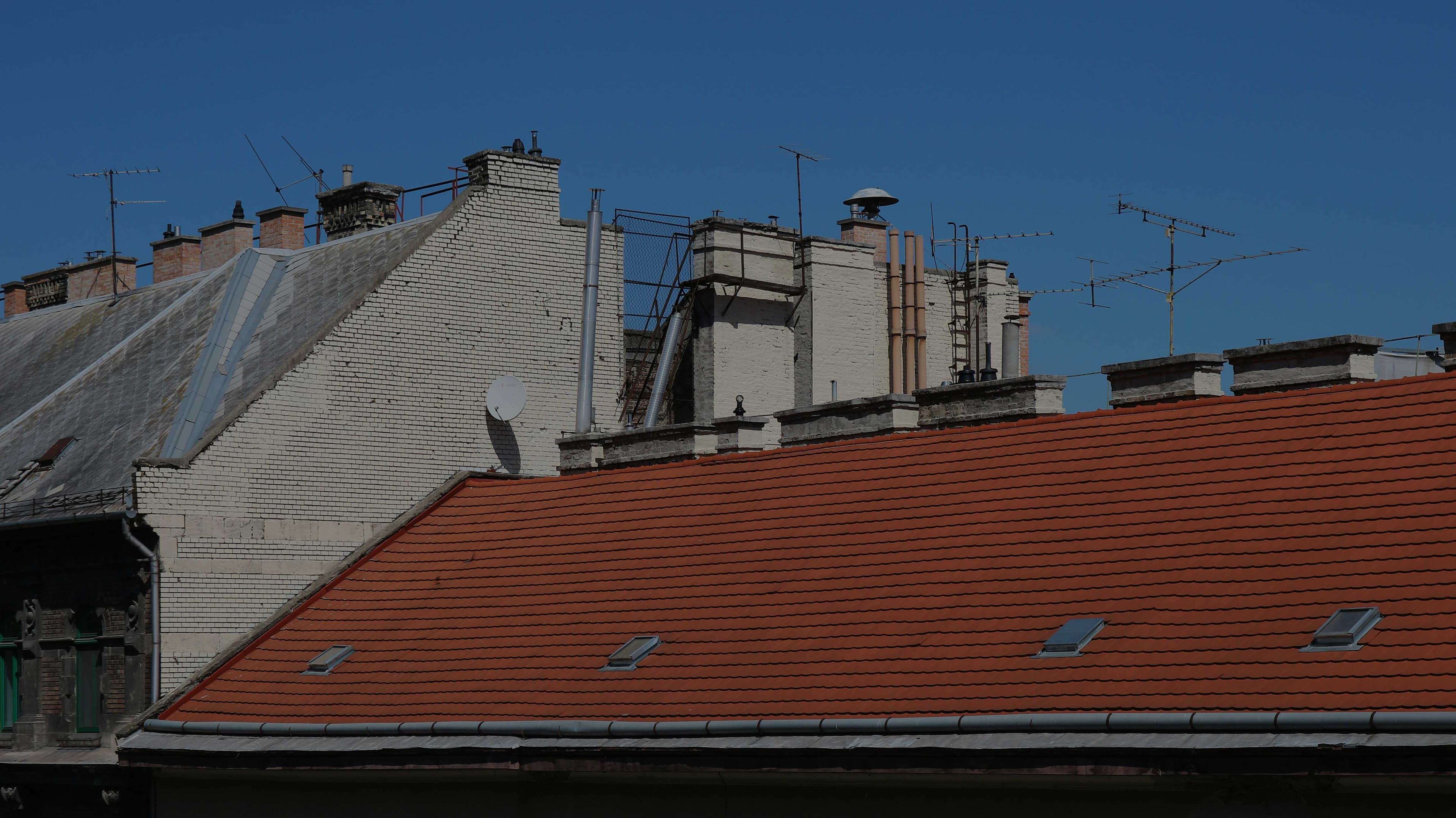
Navigating Roof Eaves: Design, Functionality, and Maintenance Essentials
By Total Care Roofing Sat Nov 29 20258 minutes

Understanding Roof Eaves: More Than Just an Overhang
Roof eaves are the edges of the roof that project beyond the exterior walls, serving both functional and aesthetic purposes. They shield the building from water runoff, minimize wall staining, and play a pivotal role in architectural expression. For homeowners and contractors, mastering eave design can mean the difference between a resilient, beautiful roof and chronic moisture issues.Types of Roof Eaves and Their Architectural Impact
The design of your eaves significantly influences not only the look but also the performance of your roofing system. Choosing the right style depends on climate, home design, and desired functionality.- Open Eaves: Expose the rafters and are common in Craftsman or rustic designs.
- Closed Eaves: Feature soffits that conceal the rafters, offering a cleaner look and enhanced pest protection.
- Boxed-in Eaves: Extend the roof line with a boxed structure, providing additional insulation space.
- Exposed Eaves: Highlight the roof's support structure, often used in contemporary or minimalist architecture.
Material Choices for Eave Construction
Selecting durable materials for eaves is crucial to withstand weathering, pests, and UV exposure. Material choice affects longevity, maintenance needs, and the overall harmony with the rest of the roofing system.| Material | Advantages | Potential Drawbacks |
| Vinyl | Low maintenance, cost-effective, resists rot | May crack in extreme cold |
| Aluminum | Lightweight, rust-resistant, customizable | Can dent easily |
| Wood | Classic look, can be painted or stained | Requires regular sealing, susceptible to rot |
| Fiber Cement | Highly durable, fire-resistant | Heavier, higher installation cost |
Essential Eave Maintenance: Preventing Costly Damage
Neglected eaves can become a gateway for water intrusion, mold, and pest infestations. Routine inspection and timely repairs are vital for preserving your home’s envelope and curb appeal.- Inspect for peeling paint or staining, which may indicate moisture problems.
- Clear debris from eaves and soffits to prevent water backup and rot.
- Check for loose or damaged boards and fasteners.
- Look for signs of animal nesting or insect activity.
“Routine eave maintenance is one of the most cost-effective ways to protect your investment and extend your roof’s lifespan.”
Eaves and Home Energy Efficiency
Properly designed eaves contribute to passive solar control, reducing energy bills by shading windows in summer and allowing sunlight in winter. The right eave depth and orientation can have a measurable impact on indoor comfort.Common Eave Issues and How to Address Them
Eaves are vulnerable to a range of problems, from ice damming in cold climates to warping and rot in humid regions. Addressing these concerns promptly can prevent more extensive—and expensive—damage.- Water stains or peeling paint: Improve drainage and check for leaks.
- Sagging eaves: Reinforce structural supports or replace damaged boards.
- Pest infestations: Install mesh or screens and seal entry points.
- Rot or mold: Remove affected sections and treat with preservatives.