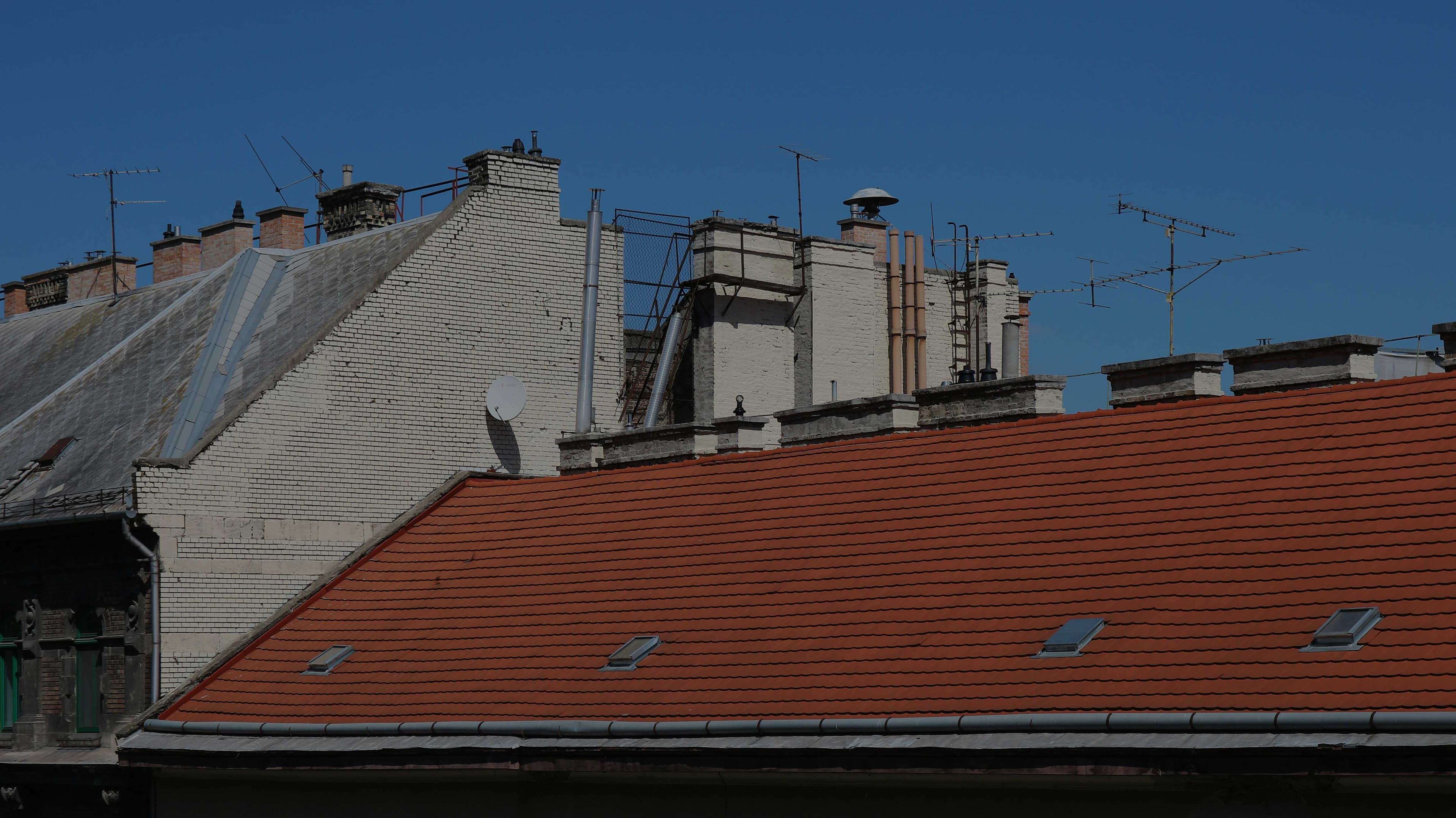
Navigating Chimney Flashing: Ensuring a Leak-Free Roof Intersection
By Total Care Roofing Thu Nov 27 20257 minutes

Why Chimney Flashing is a Critical Roofing Detail
The intersection where your chimney meets the roof is one of the most vulnerable points for water intrusion. Without robust flashing, even the most durable roofing system can succumb to leaks, mold, and structural deterioration. Chimney flashing acts as a waterproof barrier, redirecting water away from seams and preventing costly interior damage.“A well-executed chimney flashing detail is the difference between a watertight roof and a future repair bill.”
Types of Chimney Flashing: Material Options and Performance
Choosing the right material for chimney flashing impacts both longevity and aesthetics. Each option offers distinct advantages, and the ideal selection often depends on climate, roof type, and budget. Understanding these materials helps homeowners make informed decisions that support long-term roof health.- Aluminum: Lightweight, corrosion-resistant, and cost-effective, though susceptible to damage in coastal environments.
- Copper: Exceptionally durable and develops a protective patina, making it ideal for historic or high-end homes.
- Galvanized Steel: Strong and affordable, but requires regular inspection for rust, especially in humid climates.
- Lead: Highly malleable and long-lasting, but less commonly used due to environmental considerations.
Step-Flash vs. Continuous Flashing: Which is Superior?
Two primary techniques dominate chimney flashing: step-flashing and continuous (or apron) flashing. Both have merits, but their effectiveness depends on roof slope, chimney size, and regional weather patterns. Selecting the right approach ensures a seamless, watertight intersection.| Flashing Type | Key Feature | Best Use Case |
| Step Flashing | Individual pieces interwoven with shingles | Steep-slope roofs; superior water shedding |
| Continuous Flashing | Single piece along the base of chimney | Low-slope roofs; simpler installation |
Common Chimney Flashing Failures and Warning Signs
Homeowners often overlook flashing until leaks appear. Early detection of issues can prevent expensive repairs and interior damage. Recognizing the warning signs of failing chimney flashing is essential for proactive maintenance.- Rust stains or visible corrosion on flashing material
- Cracked or missing mortar around the chimney base
- Water stains or dampness on attic rafters near the chimney
- Shingle granule loss or curling adjacent to the chimney
Inspection and Maintenance: Prolonging Chimney Flashing Lifespan
Routine inspections are crucial for identifying minor problems before they escalate. Both DIY enthusiasts and professionals should prioritize chimney flashing checks, especially after severe weather events or freeze-thaw cycles. Timely maintenance can extend the life of your roofing system and preserve indoor comfort.“Regular inspection of chimney flashing is one of the most cost-effective ways to safeguard your home against water intrusion.”
Expert Tips for Leak-Proof Chimney Flashing Installation
Proper installation is the foundation of effective chimney flashing. Even premium materials will fail if not correctly integrated with the roofing system. Here are actionable tips from seasoned roofing professionals to ensure long-term protection.- Always remove old flashing rather than layering new over existing material.
- Embed step flashing into mortar joints for a secure, watertight fit.
- Use high-quality sealants designed specifically for exterior roofing applications.
- Ensure counterflashing overlaps base flashing by at least two inches to prevent capillary action.