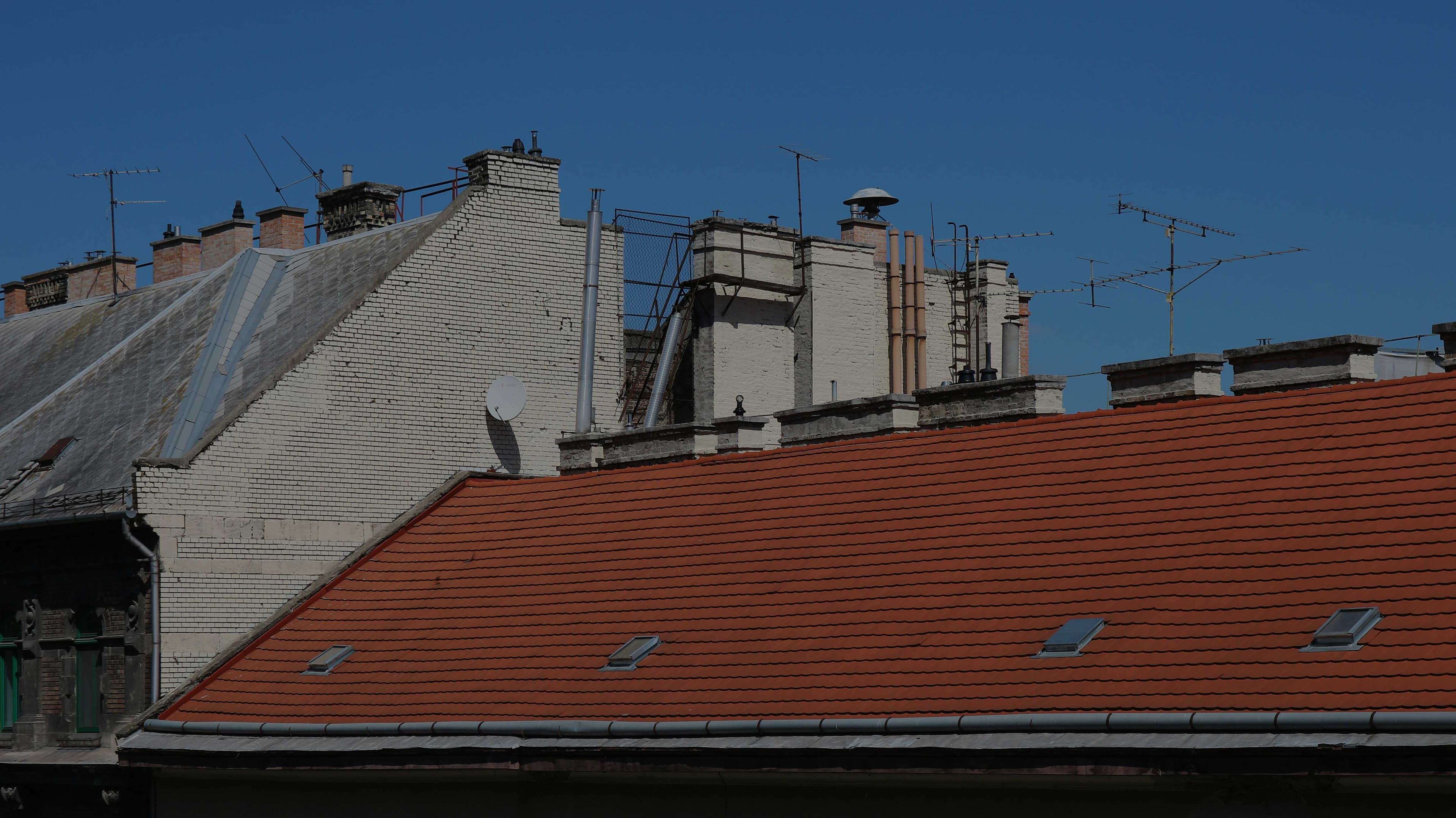
Navigating Chimney Flashing: Critical Details for Leak-Proof Roofs
By Total Care Roofing Fri Nov 28 20257 minutes

Understanding the Role of Chimney Flashing
Chimney flashing is a crucial yet often overlooked component in roofing systems. Its primary function is to create a watertight barrier where the chimney meets the roof, preventing moisture intrusion that can lead to structural damage and costly repairs. Without proper flashing, even the most robust roofing materials are vulnerable to leaks and accelerated deterioration.Common Types of Chimney Flashing Materials
Selecting the right material for chimney flashing is essential for both performance and longevity. Each option offers unique benefits and considerations, making it important to weigh factors like climate, roof pitch, and budget.- Aluminum: Lightweight, corrosion-resistant, and cost-effective, but prone to damage from acidic chimney runoff.
- Copper: Highly durable and aesthetically pleasing, developing a protective patina over time; higher upfront cost.
- Galvanized Steel: Strong and economical, though it may rust if not properly coated or maintained.
- Lead: Extremely malleable and long-lasting, but environmental concerns limit its use in some regions.
Critical Installation Techniques for Leak Prevention
Improperly installed chimney flashing is a leading cause of roof leaks. Attention to detail during installation is paramount to ensure lasting protection. The process involves integrating both step flashing and counter flashing, with precise overlaps and secure anchoring.“The integrity of a roof often hinges on the quality of its flashing details—never cut corners where water can find a way in.”
| Technique | Purpose |
| Step Flashing | Directs water away from the chimney-roof intersection |
| Counter Flashing | Covers and protects the upper edge of step flashing |
| Proper Overlap | Ensures water cannot penetrate beneath flashing |
| Sealant Use | Provides additional waterproofing at vulnerable joints |
Signs Your Chimney Flashing Needs Attention
Routine inspection of chimney flashing can catch minor issues before they escalate into major repairs. Homeowners should be vigilant for visual cues indicating flashing failure or wear.- Rust or corrosion on metal surfaces
- Cracked or missing sealant
- Visible gaps between flashing and masonry
- Water stains on ceilings or attic spaces near the chimney
Maintenance and Repair Strategies for Longevity
Proactive maintenance can extend the lifespan of chimney flashing and safeguard your entire roofing system. Simple upkeep and timely repairs reduce the risk of water infiltration and preserve structural integrity.- Inspect flashing biannually and after severe weather events
- Clean debris and moss from flashing surfaces
- Reapply high-quality sealant as needed
- Replace damaged or corroded sections promptly
“Preventive maintenance on flashing is the most cost-effective way to avoid expensive roof and interior repairs.”