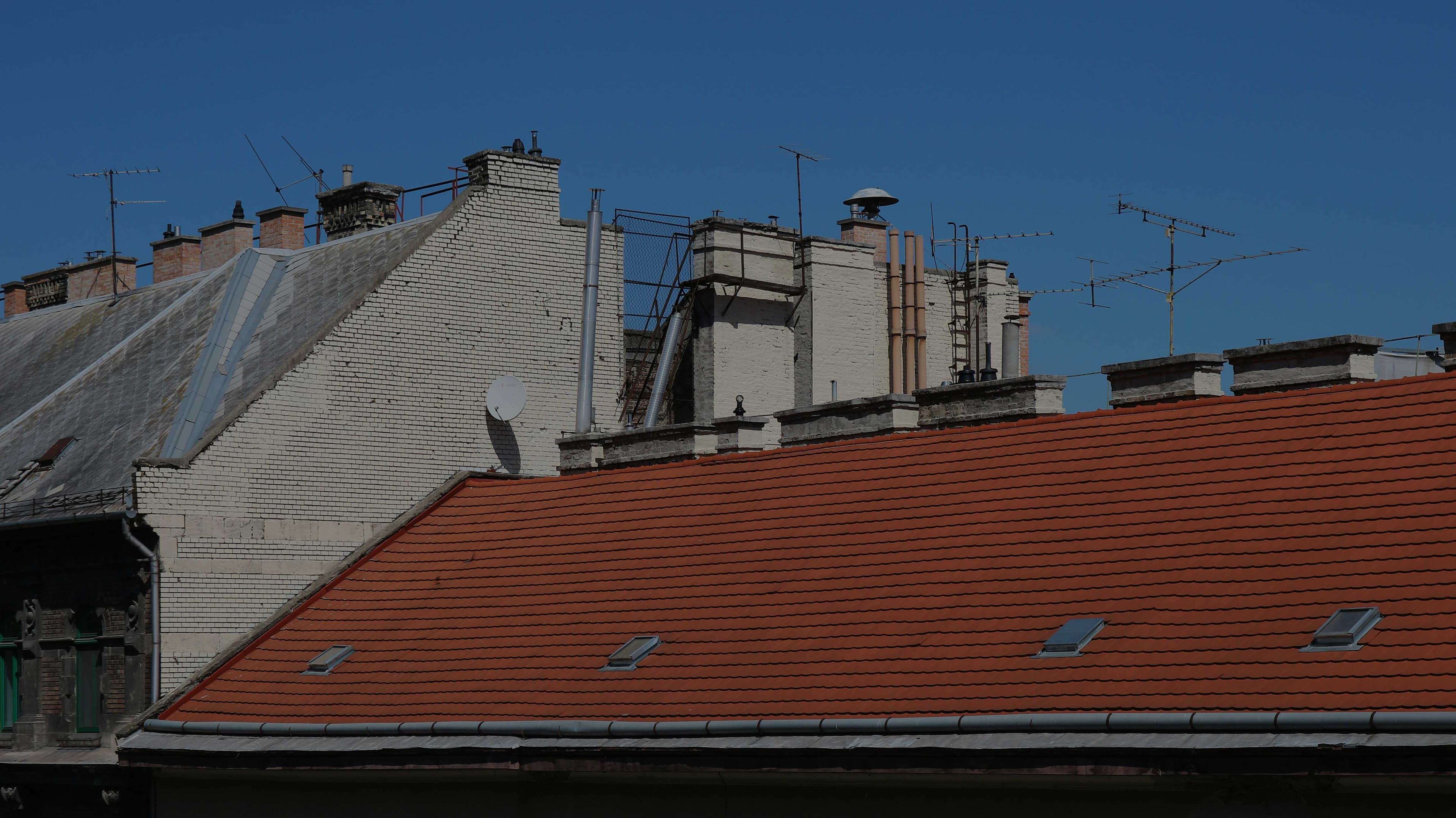
Mitigating Moss and Algae Growth on Residential Roofs: Prevention, Removal, and Long-Term Solutions
By Total Care Roofing Tue Jan 20 20267 minutes

Understanding Moss and Algae: Why They Target Roofs
Moss and algae are common culprits behind unsightly and potentially damaging roof growth, particularly in humid or shaded environments. These organisms thrive on moisture-retaining surfaces, especially where overhanging trees and poor sunlight exposure create ideal conditions. Left unchecked, moss and algae can degrade roofing materials, compromise drainage, and shorten the lifespan of your roof.Risks of Moss and Algae Infestation: Beyond Curb Appeal
While the green and black streaks may seem like a cosmetic nuisance, the underlying risks are far more serious. Moss holds moisture against shingles, leading to granule loss, wood rot, and premature aging. Algae, especially Gloeocapsa magma, can cause dark stains and foster additional microbial growth, further undermining roof integrity.| Risk Factor | Potential Impact |
| Moisture Retention | Accelerated shingle deterioration |
| Root Penetration | Lifted or damaged shingles |
| Blocked Drainage | Gutter overflow, leaks |
| Aesthetic Damage | Reduced property value |
Proactive Prevention: Strategies to Stop Growth Before It Starts
Preventing moss and algae is more effective and cost-efficient than removal. Homeowners can adopt several strategies to keep their roofs clear, especially in climates prone to high humidity or tree coverage.- Trim back overhanging branches to reduce shade and debris accumulation.
- Ensure gutters and downspouts are clear to promote proper drainage.
- Install zinc or copper strips along roof ridges; rainwater will carry ions that inhibit moss and algae growth.
- Schedule annual roof inspections to catch early signs of infestation.
“An ounce of prevention is worth a pound of cure when it comes to roof health.”
Safe and Effective Removal Methods: DIY and Professional Options
If moss or algae has already taken hold, choosing the right removal method is crucial to avoid damaging roofing materials. While some homeowners opt for DIY solutions, certain infestations may require professional intervention, especially for steep or delicate roofs.- Manual removal using a soft-bristle brush and gentle technique to avoid shingle abrasion.
- Eco-friendly chemical treatments, such as potassium salts of fatty acids, that eliminate growth without harming surrounding vegetation.
- Low-pressure washing by professionals to prevent shingle granule loss.
- Never use high-pressure washers or harsh chemicals like bleach, which can degrade roof materials and void warranties.
“Proper technique and product choice are essential for preserving both your roof and the environment.”
Long-Term Solutions and Maintenance Plans
Maintaining a moss- and algae-free roof requires ongoing attention. Integrating roof care into your regular home maintenance routine can extend the life of your roofing system and prevent costly repairs down the line.- Bi-annual roof inspections to monitor for early growth or damage.
- Reapplying zinc or copper strips every few years as needed.
- Promptly addressing drainage or ventilation issues that contribute to excess moisture.
- Documenting maintenance activities to support warranty claims and resale value.
Choosing Eco-Friendly Treatments: Protecting Your Home and the Planet
Many conventional moss and algae removal products contain harsh chemicals that can harm plants, pets, and waterways. Opting for environmentally responsible solutions supports a healthier ecosystem and aligns with sustainable homeownership goals.- Look for biodegradable, non-corrosive roof cleaning products.
- Consult with local roofing professionals about green treatment options.
- Consider natural deterrents, such as baking soda or diluted vinegar, for light infestations.
“Sustainable roof care protects both your investment and your local environment.”