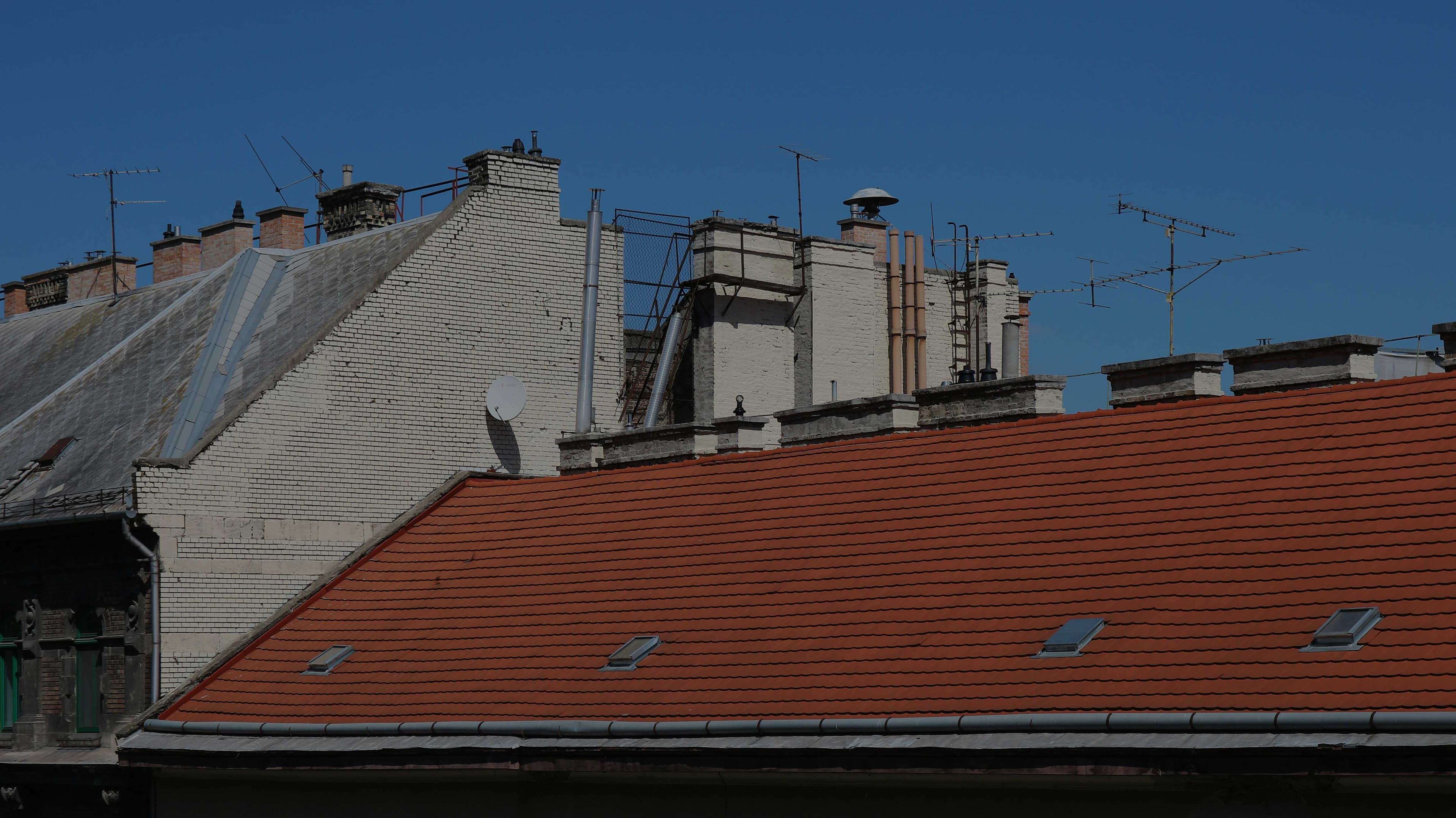
Mastering Roof Edge Protection: Drip Edges, Fascia, and Eave Details Explained
By Total Care Roofing Mon Jan 19 20267 minutes

Why Roof Edge Protection Matters
The outermost edges of your roof are constantly exposed to the elements, making them highly vulnerable to water infiltration, wind uplift, and material deterioration. Without robust edge protection, even the most advanced roofing systems can fail prematurely. Homeowners often overlook the critical role of components like drip edges, fascia boards, and eave details in maintaining a watertight, durable roof.“Neglecting roof edge details is one of the most common causes of premature roof failure.”
Key Components of Roof Edge Protection
- Drip Edges: Metal flashing installed along roof edges to channel water away from fascia and prevent capillary action.
- Fascia Boards: The horizontal boards mounted at the edge of the roof, providing structural support for gutters and a finished look.
- Eave Details: The area where the roof meets or overhangs the exterior walls, often including soffits, ventilation, and gutter systems.
“Proper integration of edge components is essential for a roof system's longevity and performance.”
Drip Edge Profiles and Material Choices
Drip edges come in various profiles—Type C, Type D (T-style), and custom bends—each serving specific roof designs and climates. The material selection (galvanized steel, aluminum, copper) directly impacts durability, corrosion resistance, and aesthetic appeal. Choosing the right drip edge ensures optimal water shedding and minimal maintenance over time.“Investing in quality drip edge materials is a small cost for decades of roof protection.”
| Profile Type | Best For | Material Options |
| Type C | Standard asphalt shingles | Aluminum, galvanized steel |
| Type D (T-style) | Steeper pitches, metal roofs | Aluminum, copper |
| Custom | Historic or unique roofs | Copper, custom metal alloys |
Fascia Board Vulnerabilities and Upkeep
Fascia boards are susceptible to rot, insect damage, and warping, especially in regions with high rainfall or humidity. Regular inspection and timely repairs are vital to prevent water from seeping into the roof deck and attic. Modern options include composite and PVC fascia, which offer enhanced resistance to decay and require less frequent painting or sealing.“A compromised fascia board can quickly turn a minor leak into a major structural issue.”
Best Practices for Eave Detailing
Eaves are more than just architectural features—they are the first line of defense against wind-driven rain and ice damming. Integrating soffit vents, gutter guards, and proper flashing at the eaves enhances both ventilation and moisture management. Careful attention to eave construction also improves curb appeal and extends the lifespan of the entire roofing system.- Install continuous soffit vents to promote attic airflow and reduce moisture buildup.
- Use gutter guards to prevent debris accumulation and water overflow at the roof edge.
- Ensure all eave flashing overlaps correctly to direct water away from vulnerable seams.
- Select corrosion-resistant fasteners to secure edge components in all climates.
“Well-detailed eaves are the hallmark of a professional roofing installation.”
Common Edge Protection Mistakes to Avoid
Many roof failures can be traced back to overlooked or poorly executed edge details. Avoiding common pitfalls helps homeowners protect their investment and avoid costly repairs.- Skipping drip edge installation or using undersized flashing.
- Improper nailing patterns that allow wind uplift or water intrusion.
- Neglecting to seal joints between fascia, soffit, and drip edge components.
- Using incompatible materials that accelerate corrosion or decay.
“The devil is in the details when it comes to roof edge protection.”
Maintaining Your Roof Edges: Inspection and Repair Tips
Routine maintenance of roof edge components can prevent minor issues from escalating into major headaches. Inspect for rust, loose fasteners, peeling paint, or signs of water staining every season. Promptly address any damage to maintain the integrity of your roof system.“Regular edge inspections are your best defense against hidden roof leaks.”
Have You Checked Your Roof Edges Lately?
When was the last time you looked closely at your roof's edges? Do you notice any signs of wear or potential trouble spots? Share your experiences or questions in the comments—your insights could help fellow homeowners protect their roofs for years to come.“Community knowledge is a powerful tool in home maintenance.”