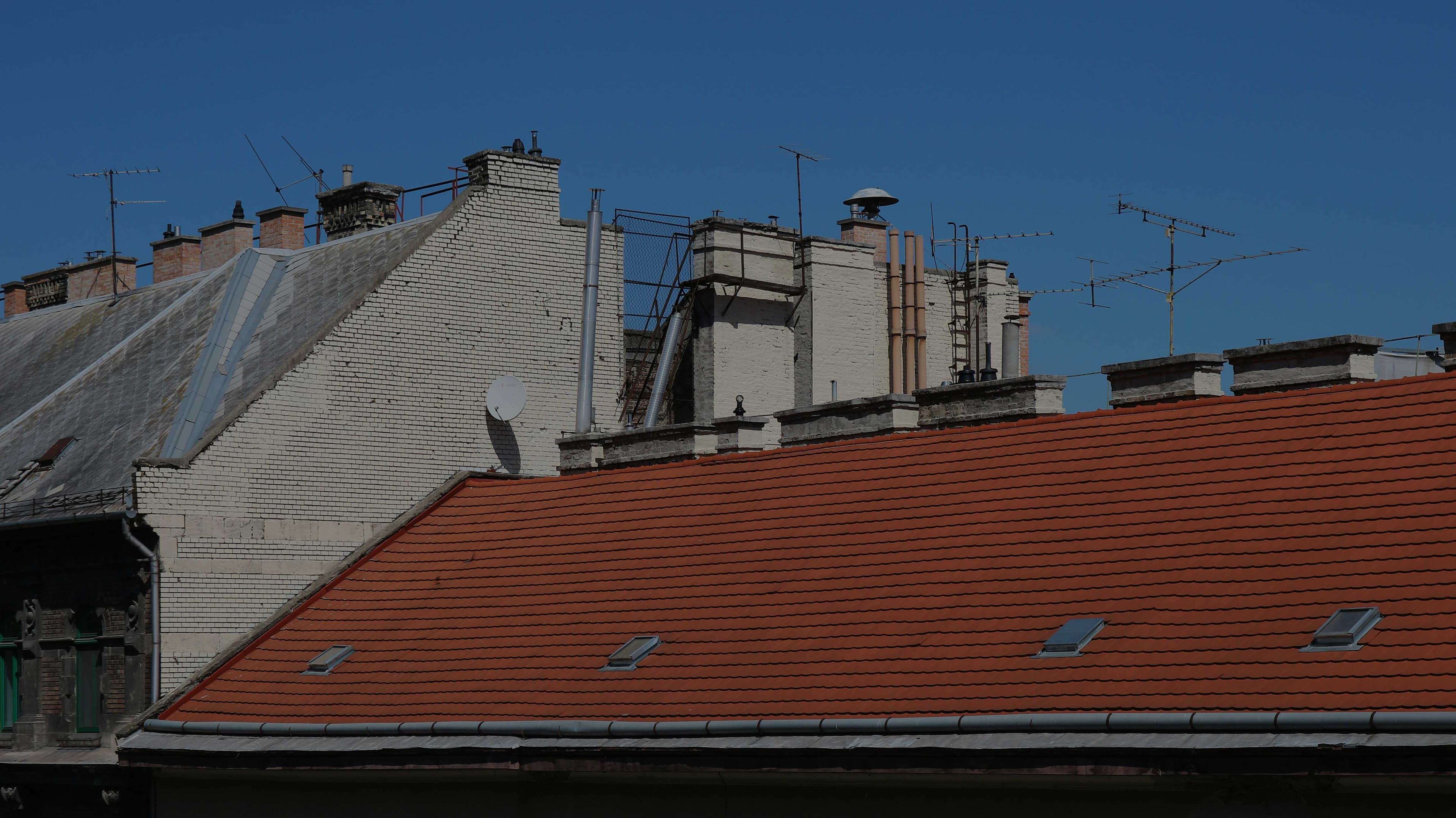
Mastering Chimney Flashing: Ensuring a Watertight Roof Intersection
By Total Care Roofing Mon Dec 01 20257 minutes

Why Chimney Flashing Is Critical for Roof Integrity
Chimney flashing acts as a protective barrier where the roof meets the chimney, one of the most vulnerable intersections for water intrusion. Without proper flashing, even minor rainfall can lead to leaks, mold, and costly structural damage. Homeowners often underestimate the significance of this detail, focusing on shingles or tiles while neglecting the complex joint between masonry and roofing.“A well-flashed chimney is the difference between a dry attic and a costly water-damaged ceiling.”
Types of Chimney Flashing: Materials and Configurations
Selecting the appropriate flashing materials and configurations is essential for long-term durability. Each material offers unique advantages and potential drawbacks, and the right choice often depends on climate, roof pitch, and budget. Understanding the differences helps ensure a robust, watertight seal.- Aluminum: Lightweight, cost-effective, and resistant to corrosion, but prone to denting.
- Copper: Highly durable and aesthetically pleasing, develops a protective patina, but comes at a premium price.
- Galvanized Steel: Strong and affordable, but may corrode over time without proper coating.
- Lead: Malleable and long-lasting, ideal for irregular surfaces, but environmental concerns limit its use.
| Material | Durability | Aesthetic | Cost |
| Aluminum | Moderate | Neutral | Low |
| Copper | High | Elegant | High |
| Galvanized Steel | Moderate | Industrial | Low |
| Lead | High | Traditional | Moderate |
Step Flashing vs. Counter Flashing: Understanding the Installation Layers
Effective chimney flashing is not a single component but a system of interlocking layers. Step flashing is woven into the shingles along the chimney’s sides, while counter flashing is embedded into the chimney mortar and overlaps the step flashing, creating a two-tiered defense against water infiltration. Skipping or improperly installing either layer can compromise the entire system.“Each layer of flashing is a safeguard—when combined, they provide resilience that no single piece can match.”
Common Chimney Flashing Failures and How to Prevent Them
Over time, flashing can deteriorate due to weather exposure, poor installation, or incompatible materials. Recognizing the early signs of failure allows homeowners to address issues before they escalate into major repairs.- Cracked or missing mortar at the counter flashing joint.
- Corrosion or warping of metal flashing components.
- Loose or displaced step flashing due to roof movement.
- Sealant failure leading to visible gaps or leaks inside the attic.
Expert Tips for Long-Term Chimney Flashing Performance
Routine inspection and proactive maintenance are essential for extending the lifespan of chimney flashing. Even high-quality materials require periodic attention to remain effective, especially after severe weather or freeze-thaw cycles.- Schedule annual roof inspections, focusing on chimney intersections.
- Clear debris and moss buildup that can trap moisture near flashing.
- Reapply compatible sealants to minor gaps or cracks as needed.
- Consult a roofing specialist for repairs involving mortar or complex flashing systems.
“Preventive maintenance is the most cost-effective way to safeguard your roof’s most vulnerable points.”