How Storm Damage Affects Your Roof (and What to Do After)
Introduction
Storms are one of the biggest threats to the health of your roof. High winds, heavy rainfall, hail, and even falling debris can cause damage that ranges from minor cosmetic issues to severe structural concerns. The challenge for most homeowners is that roof damage isn’t always obvious right away — sometimes it takes weeks or even months for a leak to appear after a storm. In this blog, we’ll explore the different ways storms impact roofs, how to recognize damage, and the steps you should take immediately after severe weather to protect your home.
“Not all storm damage is visible — what you don’t see can cause the most problems.”
Types of Storm Damage to Roofs
Storms can affect roofs in multiple ways, depending on the intensity and type of weather. Each type of damage has its own risks and repair challenges.
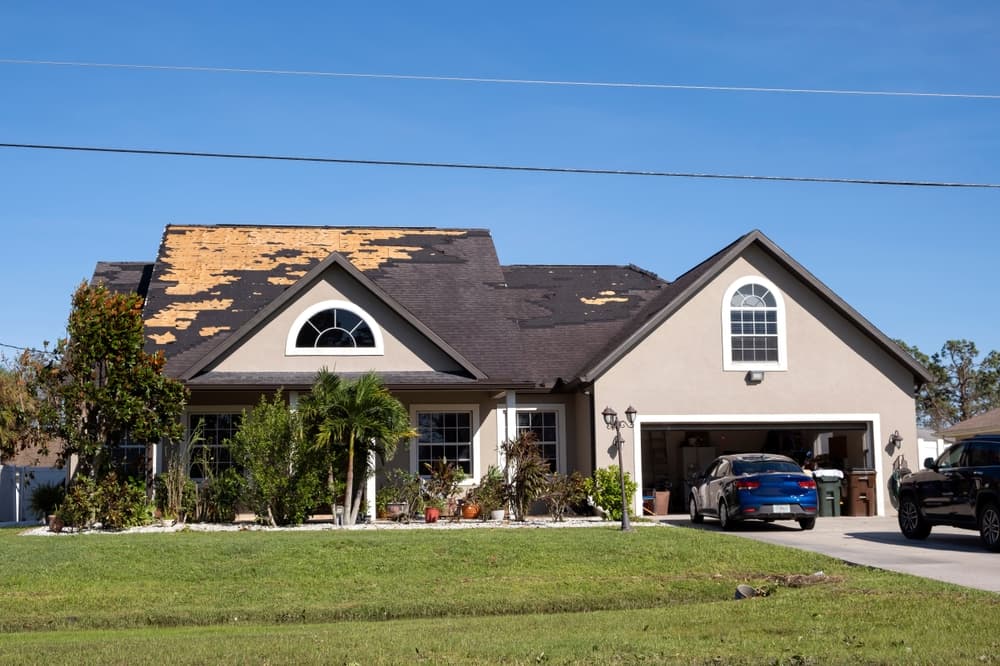
- Wind Damage – Strong gusts can lift or completely remove shingles, leaving the underlayment exposed.
- Hail Damage – Hailstones can crack shingles, bruise roofing materials, or dent metal panels.
- Water Damage – Heavy rainfall can overwhelm drainage systems, leading to leaks and mold growth.
- Debris Damage – Falling branches or flying debris can puncture roofing materials or damage flashing.
- Snow and Ice – In cold climates, ice dams form along eaves, causing water to back up under shingles.
How to Spot Storm Damage on Your Roof
While some storm damage is immediately obvious, other signs are subtle and easy to miss. Homeowners should inspect their property after a major storm, both inside and out, to catch problems early.
- Shingles that are missing, cracked, or scattered around your yard
- Dents, dimples, or soft spots on shingles from hail impact
- Leaks or water stains on ceilings and attic insulation
- Loose or detached flashing around chimneys, vents, and skylights
- Clogged or overflowing gutters filled with storm debris
Steps to Take Immediately After a Storm
If a storm just passed through your area, quick action is key to preventing further damage. Safety should always be the top priority, so avoid climbing on your roof directly after severe weather. Instead, follow these steps to secure your home and begin the recovery process.
- Do a ground-level visual inspection of your roof and yard
- Check inside your home for leaks, damp spots, or water stains
- Photograph any visible damage for insurance purposes
- Tarp or temporarily cover exposed areas if safe to do so
- Contact a professional roofer for a full inspection
“Your first job after a storm isn’t repair — it’s documentation and safety.”
Insurance and Roof Storm Damage
One of the most stressful parts of storm damage is dealing with insurance claims. Most homeowners’ policies cover storm damage, but the process can be confusing. Knowing how to navigate it can make the difference between a smooth repair and a financial headache.
- Report the damage to your insurance provider as soon as possible
- Keep detailed records of repair estimates and receipts
- Avoid making permanent repairs before the insurance adjuster’s inspection
- Work with a roofing contractor who has experience with storm claims
Preventing Storm Damage in the Future
While no roof is completely storm-proof, preventive maintenance can minimize the risks. Preparing your roof before storm season can save you from extensive repairs later.
- Schedule annual roof inspections before storm season
- Trim back trees and remove weak branches near your roofline
- Keep gutters clear to ensure proper drainage
- Reinforce flashing and secure loose shingles
- Consider impact-resistant roofing materials in storm-prone areas
“Preparation doesn’t stop the storm, but it can reduce the damage it leaves behind.”
Conclusion
Storms may be unpredictable, but your response to them doesn’t have to be. By understanding how storms damage roofs, recognizing early warning signs, and knowing what steps to take after severe weather, homeowners can protect their investment and avoid unnecessary costs. Regular maintenance and proactive preparation will ensure your roof is always ready to withstand whatever nature throws at it.
“The storm may pass in hours, but the damage can last for years if left unchecked.”