Flat Roofs vs. Pitched Roofs: Which Is Better for Your Home?
Introduction
One of the most important design choices in any home is the type of roof. While it may seem like a purely aesthetic decision, the shape of your roof affects everything from durability to maintenance costs and even energy efficiency. Two of the most common roof styles are flat roofs and pitched (or sloped) roofs. Each has its own strengths and weaknesses, and the right choice depends on your location, budget, and personal preferences. In this blog, we’ll compare flat and pitched roofs in detail so you can make an informed decision for your home.
“A roof’s shape is more than style — it’s function, durability, and long-term value.”
What Is a Flat Roof?
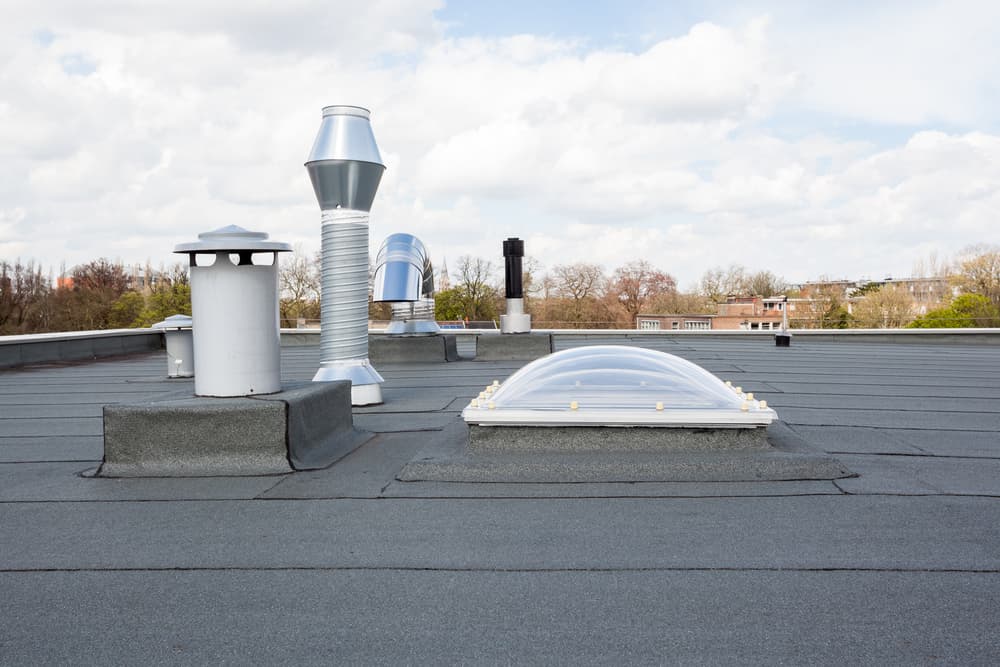
Flat roofs are commonly seen in modern architecture and urban buildings. Despite the name, flat roofs aren’t perfectly flat; they have a slight slope (usually about 1/4 inch per foot) to allow for water drainage. They’re often constructed with materials like EPDM rubber, TPO, PVC, or modified bitumen. Flat roofs are popular for commercial structures but are also gaining traction in residential design, especially in contemporary homes.
- Minimal slope designed for drainage
- Often used in modern or urban architecture
- Provides usable space for decks, gardens, or solar panels
What Is a Pitched Roof?
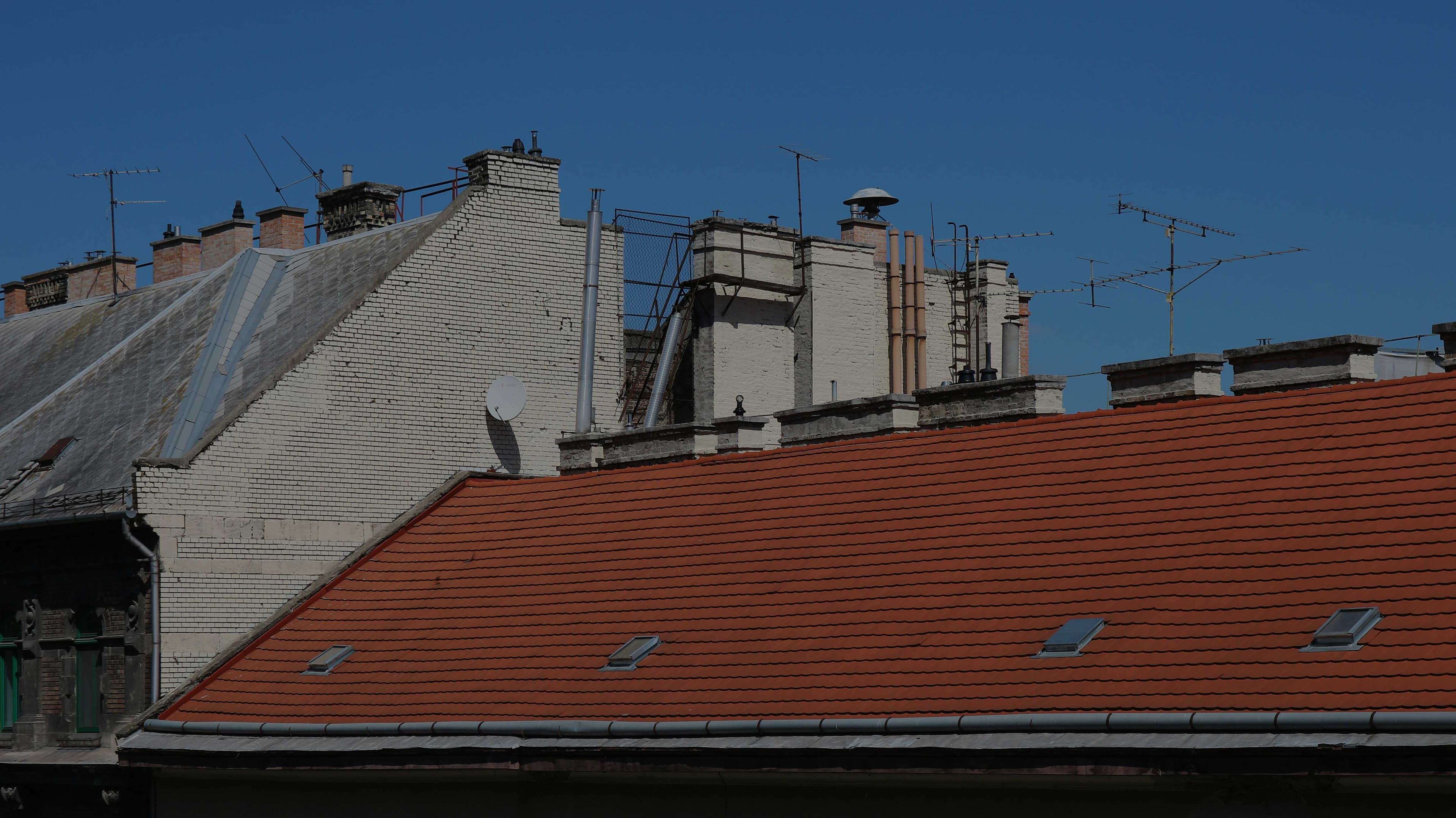
Pitched roofs, also called sloped roofs, are the traditional roof design most homeowners are familiar with. The slope varies, but all pitched roofs direct water and snow away naturally. They can be covered with materials such as asphalt shingles, clay tiles, metal panels, or slate. Their angled design offers timeless curb appeal and practical weather resistance.
- Sloped design that varies from gentle to steep
- Wide range of roofing materials available
- Excellent for rain and snow-heavy regions
Flat Roof Pros and Cons
Flat roofs come with unique benefits and challenges. Understanding both sides helps homeowners decide if this modern style is a good fit.
| Pros | Cons |
| Cost-effective initial installation | Shorter lifespan than pitched roofs |
| Provides usable rooftop space | Higher risk of leaks due to poor drainage |
| Easier access for maintenance | Not ideal for heavy snow regions |
| Modern, minimalist appearance | Limited material options compared to pitched roofs |
Pitched Roof Pros and Cons
Pitched roofs are considered the standard in many regions, and for good reason. Their design offers natural durability and flexibility, but they also come with trade-offs.
| Pros | Cons |
| Long lifespan with proper maintenance | Higher installation cost |
| Excellent water and snow runoff | More complex repairs in hard-to-reach areas |
| Wide range of material and style options | Not ideal for modern minimalist architecture |
| Increases attic or storage space | Steeper slopes make maintenance harder |
Cost Comparison
The cost of a roof depends heavily on materials and labor, but the roof style also plays a role. Flat roofs are generally cheaper to install initially, but may require more frequent repairs. Pitched roofs cost more upfront but often last longer with less frequent issues.
“A flat roof may save you money today, while a pitched roof saves you money tomorrow.”
| Roof Type | Average Cost (USD) | Lifespan |
| Flat Roof | $5,000–$15,000 | 15–25 years |
| Pitched Roof | $10,000–$25,000 | 20–50 years depending on materials |
Which Roof Type Is Best for You?
Choosing between a flat and pitched roof depends on multiple factors: your local climate, your budget, and your design goals. If you live in an area with heavy rainfall or snow, a pitched roof offers better long-term protection. If you want modern aesthetics and usable rooftop space, a flat roof may be the way to go. Working with an experienced roofing contractor can help you balance function and style to make the best choice for your home.
- Flat Roofs: Best for modern designs, urban spaces, and moderate climates
- Pitched Roofs: Best for traditional homes, harsh climates, and long-term durability
Conclusion
The decision between a flat or pitched roof is more than just personal taste. Each style has clear advantages and disadvantages that affect cost, durability, and maintenance. By weighing these factors carefully, homeowners can choose a roof that not only looks great but also serves their home well for decades to come. Whether you prefer the sleek, modern lines of a flat roof or the timeless strength of a pitched roof, the right choice comes down to balancing beauty, budget, and performance.
“Your roof should reflect both your style and your lifestyle.”