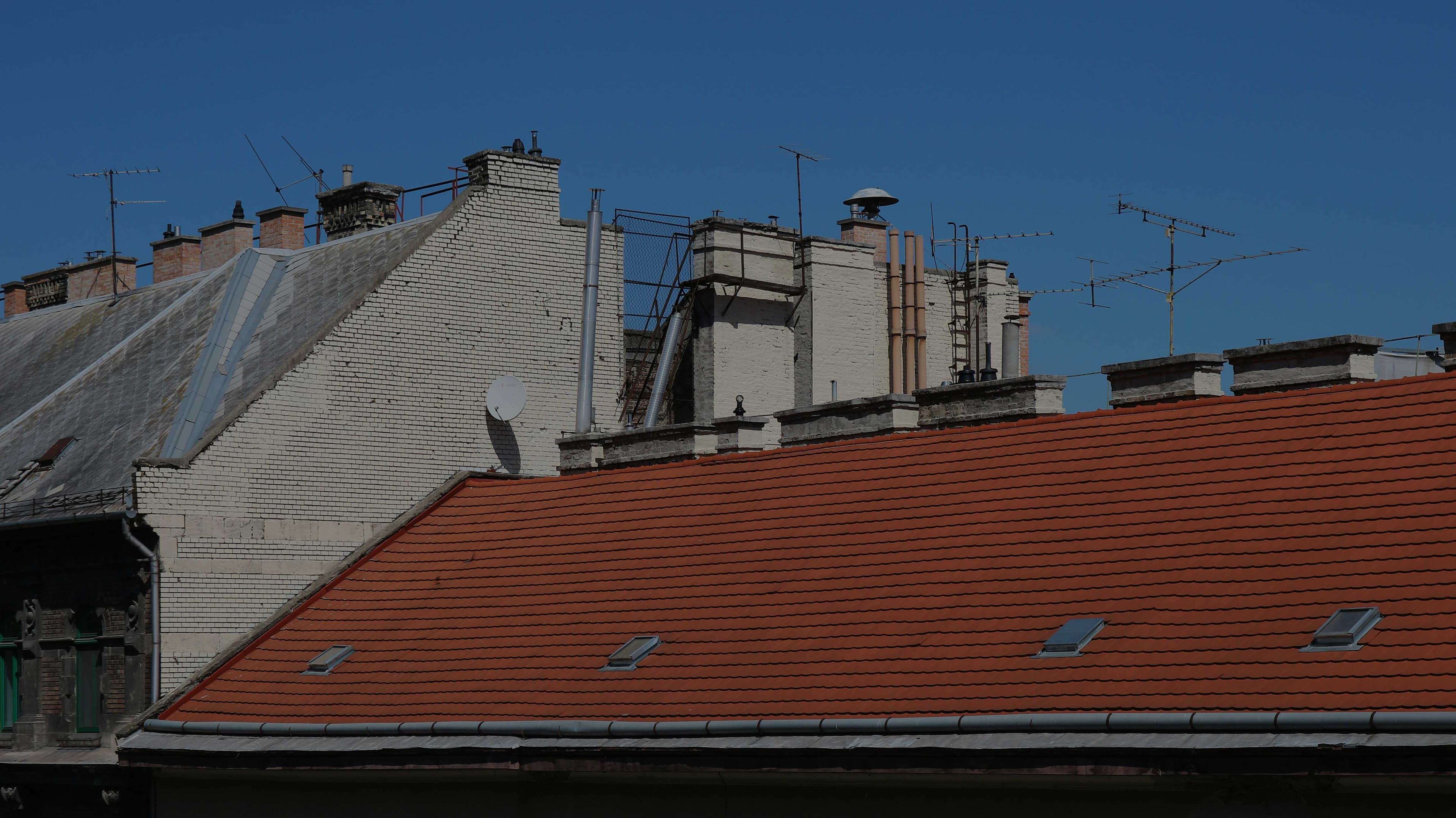
Exploring the Benefits and Best Practices of Roof Cricket Installation
By Total Care Roofing Fri Dec 05 20257 minutes

What Is a Roof Cricket and Why Is It Essential?
A roof cricket, sometimes called a saddle, is a small, peaked structure installed on the high side of a chimney or where two roof slopes meet to divert water around obstructions. Without a properly designed cricket, water can pool behind chimneys or other projections, increasing the risk of leaks, rot, and premature roof failure.Common Roofing Problems Solved by Crickets
Many homeowners and property managers struggle with chronic leaks and water damage in areas where roof slopes intersect or where large penetrations exist. Roof crickets are specifically engineered to address these pain points, providing a long-term solution for effective drainage and structural preservation.- Chronic water pooling behind chimneys
- Accelerated shingle deterioration
- Ice dam formation in colder climates
- Costly interior water damage repairs
- Frequent need for emergency patching
Selecting the Right Materials for Roof Crickets
Choosing the appropriate materials for your roof cricket is critical for durability and performance. The selection often depends on the primary roofing material and climate considerations. For steep-slope roofs, crickets are typically constructed from the same material as the main roof, ensuring compatibility and seamless integration.- Galvanized steel: Ideal for most asphalt shingle roofs due to corrosion resistance
- Copper: Preferred for high-end or historical properties, offers longevity and aesthetic appeal
- Aluminum: Lightweight and rust-resistant, suitable for metal and flat roofs
- Membrane systems: Used in commercial or low-slope roofing applications
“The best cricket is one you never notice—because it’s quietly protecting your roof from hidden dangers.”
Installation Best Practices: Avoiding Common Pitfalls
Improper cricket installation is a leading cause of persistent leaks even after re-roofing. Precision is required in both design and execution to ensure water is efficiently channeled away from vulnerable areas. Attention to flashing integration and slope calculation is paramount for optimal performance.| Installation Step | Key Consideration |
| Accurate slope calculation | Ensure cricket slope exceeds main roof slope for proper drainage |
| Material compatibility | Match cricket material to roofing system |
| Flashing integration | Extend flashing at least 6 inches up the chimney or wall |
| Sealing and fasteners | Use corrosion-resistant fasteners and high-grade sealants |
Cost Considerations and Return on Investment
While the upfront cost of installing a roof cricket may seem like an added expense, the long-term savings from reduced leak repairs and extended roof lifespan are substantial. Investing in a quality cricket can protect your home’s structure and interior, ultimately preserving property value.| Material | Estimated Cost per Linear Foot |
| Galvanized Steel | $8 - $15 |
| Copper | $25 - $45 |
| Aluminum | $10 - $18 |
| Membrane System | $12 - $20 |
Expert Tips for Homeowners and Property Managers
Regular inspections and proactive maintenance of roof crickets are essential, especially after severe weather events. Look for signs of rust, loose flashing, or debris buildup that could impede drainage. Prompt attention to minor issues can prevent costly repairs down the line.- Schedule semi-annual roof inspections
- Clear debris from cricket valleys
- Check for flashing separation or sealant failure
- Consult a roofing specialist for complex or commercial installations
“A well-designed cricket is your roof’s first defense against the silent creep of water intrusion.”