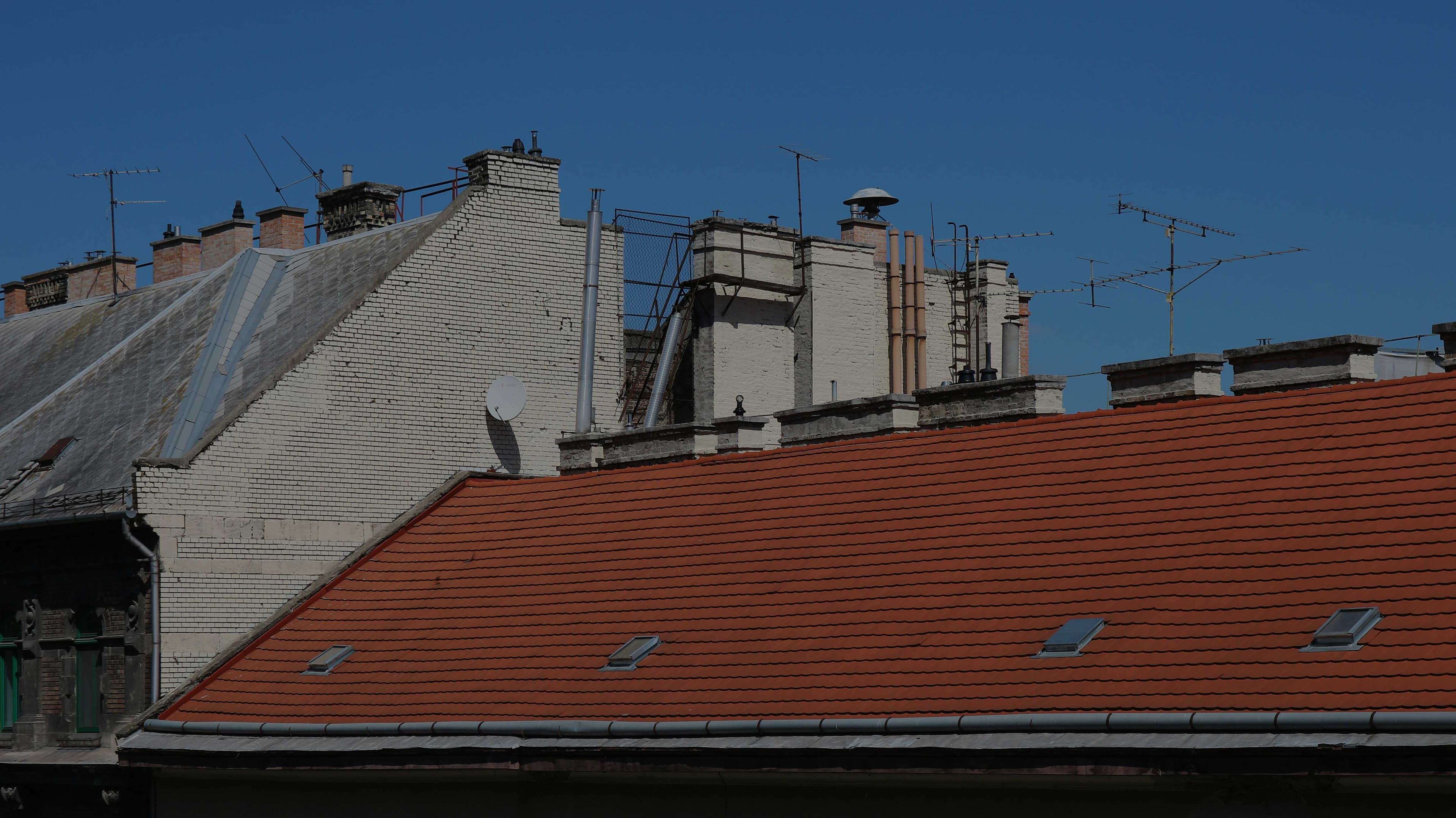
Comparing Modern Eco-Friendly Roofing Materials: Sustainability Meets Performance
By Total Care Roofing Fri Jan 09 20268 minutes
Why Eco-Friendly Roofing Matters for Homeowners Today
The demand for sustainable building materials has never been higher, and roofing is no exception. Homeowners are seeking options that reduce environmental impact while providing durability, energy efficiency, and aesthetic appeal. Choosing the right eco-friendly roofing material can lower utility bills, increase property value, and contribute to a healthier planet.“Sustainable roofing isn't just about saving energy—it's about future-proofing your home and the environment.”
Overview of Leading Eco-Friendly Roofing Materials
There are several innovative roofing materials designed to minimize environmental harm and maximize performance. Each option offers unique benefits and challenges, making it essential to compare them before making a decision.- Green (Living) Roofs: Layers of vegetation planted over a waterproof membrane, improving insulation and biodiversity.
- Recycled Shingle Roofs: Made from repurposed materials like rubber, plastic, or wood fiber, reducing landfill waste.
- Solar Roofing Tiles: Photovoltaic tiles that generate electricity while functioning as a protective roof covering.
- Metal Roofing: Often made from recycled steel or aluminum, highly durable and fully recyclable at end of life.
- Cool Roofs: Reflective coatings or materials that reduce heat absorption, lowering cooling costs.
Cost, Lifespan, and Environmental Impact: A Comparative Table
| Material | Estimated Lifespan | Initial Cost per sq. ft. | Environmental Impact |
| Green Roof | 30-50 years | $10-25 | Enhances biodiversity, reduces urban heat |
| Recycled Shingles | 20-50 years | $7-12 | Repurposes waste, lower embodied energy |
| Solar Tiles | 25-30 years | $20-30 | Generates renewable energy |
| Metal Roof | 40-70 years | $7-15 | Fully recyclable, energy efficient |
| Cool Roof | 20-40 years | $6-12 | Reduces heat island effect |
Benefits and Challenges of Sustainable Roofing Solutions
While eco-friendly roofing materials offer significant advantages, they also come with unique considerations. Understanding these can help homeowners make informed decisions aligned with their priorities.- Green Roofs: Superior insulation and stormwater management, but require specialized structural support and maintenance.
- Recycled Shingles: Affordable and widely available, but may have variable aesthetics and performance based on source material.
- Solar Tiles: Offer energy generation and tax incentives, but higher upfront costs and complex installation.
- Metal Roofs: Exceptional longevity and fire resistance, but may be noisier during rain and hail.
- Cool Roofs: Immediate energy savings, but limited to certain climates for optimal benefits.
Expert Tips for Selecting the Right Eco-Friendly Roofing Material
Choosing the optimal sustainable roofing solution depends on climate, budget, roof structure, and personal goals. Consulting with a roofing professional ensures compatibility and maximizes long-term value.“Always balance environmental impact with performance and local climate conditions when selecting a roofing material.”