Choosing the Right Fasteners for Metal Roofing: Performance, Longevity, and Installation Tips
By Total Care Roofing Mon Jan 26 20267 minutes
Understanding the Critical Role of Fasteners in Metal Roofing
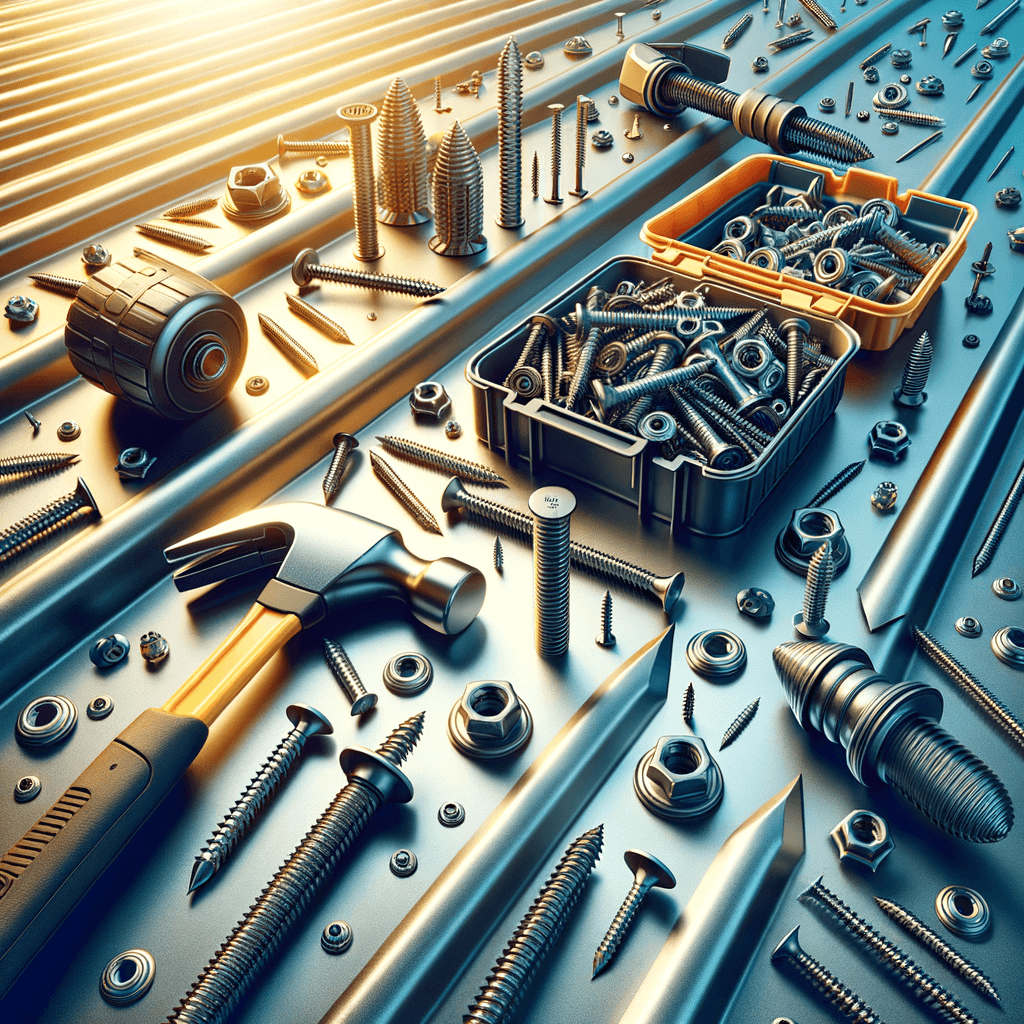
Fasteners are the unsung heroes of any metal roofing system, anchoring panels securely to the structure and ensuring weather-tightness. Their selection directly affects the roof’s durability, resistance to wind uplift, and overall lifespan. Homeowners and contractors often overlook fastener choice, yet it is one of the most crucial decisions for performance and maintenance.“The longevity of a metal roof depends as much on the fasteners as on the panels themselves.”
Types of Metal Roofing Fasteners: Exposed vs. Concealed
Metal roofing fasteners come in two main categories: exposed and concealed. Each type has distinct advantages and is suited to different roofing profiles and aesthetic preferences. Understanding these differences can help you make an informed decision that balances performance, budget, and curb appeal.- Exposed Fasteners: Screws visible on the roof surface; commonly used with corrugated panels.
- Concealed Fasteners: Hidden beneath panels or seams; preferred for standing seam and architectural profiles.
- Hybrid Systems: Some modern systems combine both for enhanced performance in specific applications.
Material Matters: Fastener Composition and Corrosion Resistance
Selecting the right fastener material is essential for preventing galvanic corrosion, rust, and premature failure. The compatibility between the fastener and the roofing panel material must be carefully considered, especially in coastal or industrial environments where exposure to salt or chemicals is high.| Fastener Material | Corrosion Resistance | Best For |
| Galvanized Steel | Moderate | Inland, low-corrosive environments |
| Stainless Steel | High | Coastal, high-humidity, or chemical-prone areas |
| Aluminum | Good | Aluminum panels, lightweight applications |
| Bimetallic | Varies | Specialty applications requiring mixed-metal compatibility |
Installation Best Practices for Maximum Fastener Performance
Proper installation of fasteners is as important as material selection. Incorrect torque, overdriving, or misalignment can compromise the weatherproof seal and lead to leaks, panel distortion, or fastener back-out. Following manufacturer recommendations and using the right tools ensures optimal performance and minimizes long-term maintenance.- Use self-sealing washers to prevent water intrusion.
- Drive fasteners perpendicular to the panel surface for a secure fit.
- Do not overtighten, as this can damage both the washer and the panel.
- Space fasteners according to engineering specifications for wind resistance.
- Inspect and retighten fasteners during routine roof maintenance.
How Fastener Choice Impacts Roof Longevity and Warranty
The right fastener selection can extend the life of your metal roof and protect your warranty. Many manufacturers specify approved fasteners, and using alternatives may void coverage. Fastener failure is a leading cause of premature roof repairs, so investing in high-quality, compatible hardware is essential for peace of mind and long-term savings.“A roof is only as strong as its weakest fastener—choose wisely to safeguard your investment.”