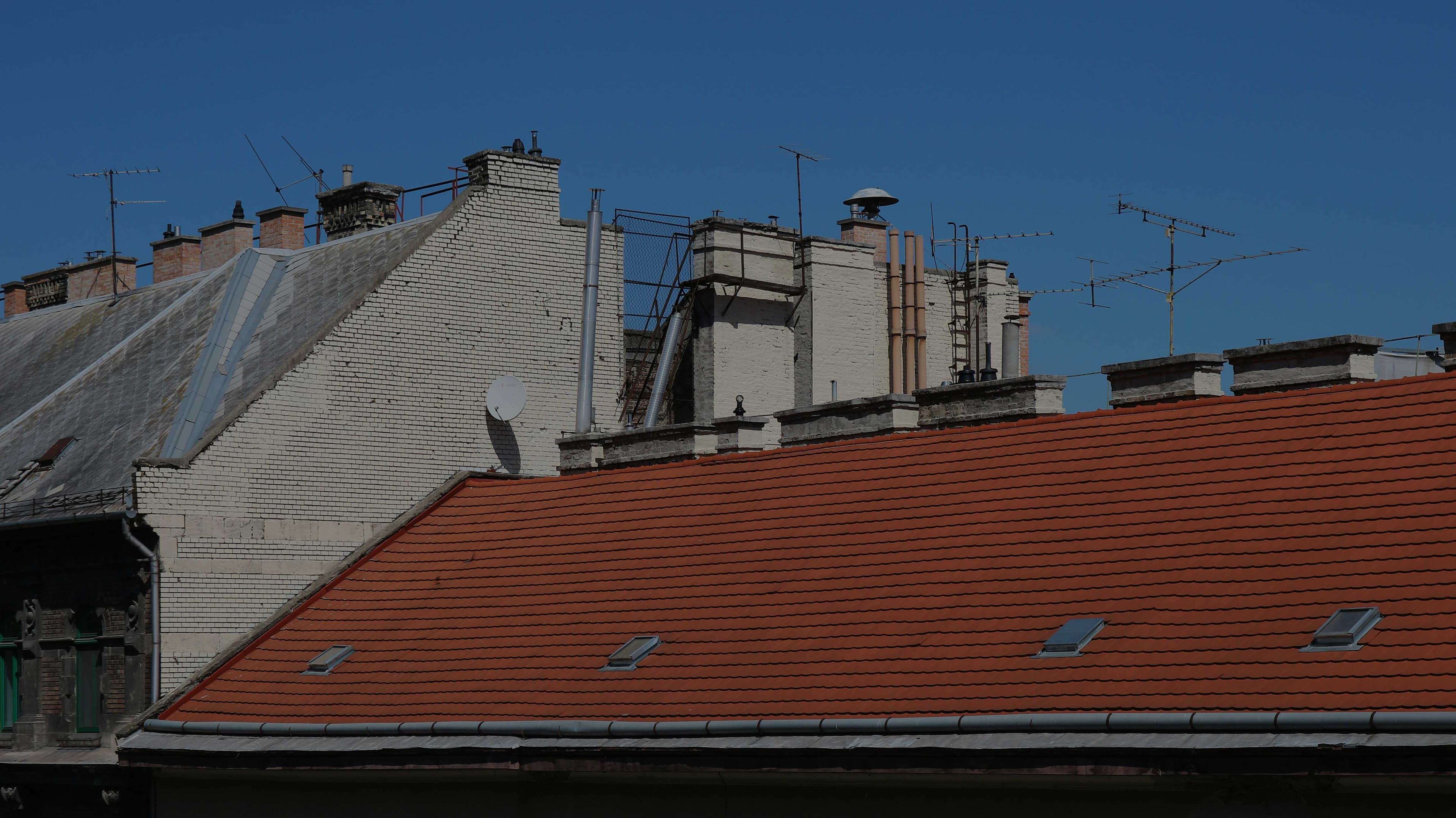
A Comprehensive Guide to Skylight Integration: Enhancing Natural Light Without Compromising Roof Integrity
By Total Care Roofing Sat Jan 10 20267 minutes

The Allure and Challenge of Skylight Integration
Homeowners increasingly desire interiors bathed in natural light, making skylights a coveted architectural feature. However, integrating skylights into a roofing system requires precision to avoid leaks, insulation loss, and structural compromise. Understanding the nuances of skylight selection and installation is crucial for both aesthetics and long-term roof performance.Types of Skylights and Their Unique Roofing Considerations
Not all skylights are created equal. Each design comes with distinct benefits and installation requirements, impacting both the visual effect and the technical demands on your roof.- Fixed skylights: Non-opening units ideal for hallways or attics.
- Vented skylights: Allow airflow, perfect for kitchens and bathrooms.
- Tubular skylights: Compact, reflective tubes suitable for tight spaces.
- Custom-shaped skylights: Architectural statement pieces demanding specialized flashing and support.
Critical Steps for Leak-Proof Skylight Installation
Improper skylight integration is a leading cause of roof leaks. Following a rigorous installation protocol ensures weather-tightness and preserves the roof’s warranty.- Choose curb-mounted units for steeper roofs to enhance water diversion.
- Install self-sealing underlayment around the skylight opening.
- Use custom flashing kits compatible with both the skylight and roofing material.
- Ensure the curb height is adequate to prevent water pooling in heavy rain or snow.
- Seal all fasteners with high-grade roofing sealant.
“A skylight is only as reliable as its flashing—never cut corners on waterproofing.”
Comparing Skylight Integration Across Roofing Materials
Different roofing substrates present unique challenges and solutions for skylight installation. The table below outlines key compatibility and installation notes for common materials.| Roofing Material | Skylight Integration Notes |
| Asphalt Shingles | Standard flashing kits fit most models; easy to seal. |
| Metal Roofing | Requires specialized flashing to match rib profiles; risk of thermal movement. |
| Clay or Concrete Tile | Tiles must be cut and re-laid; custom flashing essential. |
| Slate | Delicate material needs reinforced framing and careful waterproofing. |
Common Skylight Problems and Proactive Solutions
Even expertly installed skylights can develop issues over time. Awareness of typical problems empowers homeowners to take preventative action and schedule timely maintenance.- Condensation build-up due to poor insulation—add insulated glazing or vapor barriers.
- Cracked or foggy glazing—replace with UV-resistant, double-pane glass.
- Flashing deterioration—inspect annually and reseal as needed.
- Debris accumulation—clear leaves and branches to prevent water damming.
Maximizing Energy Efficiency with Skylights
While skylights introduce light, they can also impact a home’s thermal envelope. Strategic placement and modern glazing technologies minimize unwanted heat gain or loss.“Today’s skylights can be both beautiful and energy-smart, provided you select the right glazing and orientation.”
Expert Tips for Seamless Skylight-Roof Integration
Industry professionals emphasize meticulous planning and product selection for optimal results. Collaboration between roofing contractors and skylight specialists yields superior outcomes and minimizes callbacks.- Always consult manufacturer guidelines for flashing and underlayment.
- Schedule installations during dry weather to ensure proper adhesion of sealants.
- Consider motorized blinds or tints for comfort and UV protection.